You do not need harsh chemicals to keep pests in check. This guide covers natural pest control methods that work in Pune gardens, from neem sprays to companion planting and beneficial insects.
Natural garden pest control that actually works
Reaching for a chemical spray at the first sign of a bug is tempting, but it often does more harm than good, killing the helpful insects along with the pests and leaving residues on the food you grow. Natural methods work with the garden's own balance instead of against it.
Pune's climate shapes the pest calendar. The humid monsoon brings fungal problems and snails, while the warm months see aphids, mealybugs and whiteflies multiply. Knowing what to expect makes control far easier.
Know your common Pune garden pests
Correct identification is half the battle. Different pests need different responses, and treating for the wrong one wastes time while the real culprit keeps feeding.
Check plants regularly, especially the undersides of leaves where many pests hide and breed.
- Aphids: tiny green or black clusters on new shoots and buds
- Mealybugs: white, cottony blobs in leaf joints and stems
- Whiteflies: clouds of tiny white insects that fly up when disturbed
- Caterpillars: chewed leaves and visible droppings
- Snails and slugs: ragged holes and slime trails, common in the monsoon
Homemade sprays and neem, the workhorses
A handful of simple, cheap sprays handle the majority of common infestations. Neem oil is the standout, it disrupts pest feeding and breeding while being safe for people and most beneficial insects when used correctly.
Always test any spray on a few leaves first, and apply in the cool of early morning or evening to avoid leaf burn.
- Neem oil spray: mix with a little mild soap and water, apply every 7 to 14 days
- Soap spray: a few drops of mild liquid soap in water knocks down soft-bodied pests
- Garlic and chilli spray: a strong-smelling deterrent for a range of insects
- Handpicking: simply remove caterpillars, snails and mealybugs by hand
- Beer traps or crushed eggshells to deter snails and slugs
Invite nature to do the work
A healthy garden polices itself. Ladybirds devour aphids, spiders and lacewings eat a range of pests, and birds keep caterpillar numbers down. Encouraging these allies is the most sustainable control of all.
Companion planting takes the same idea further, using certain plants to repel pests or lure them away from your prized crops.
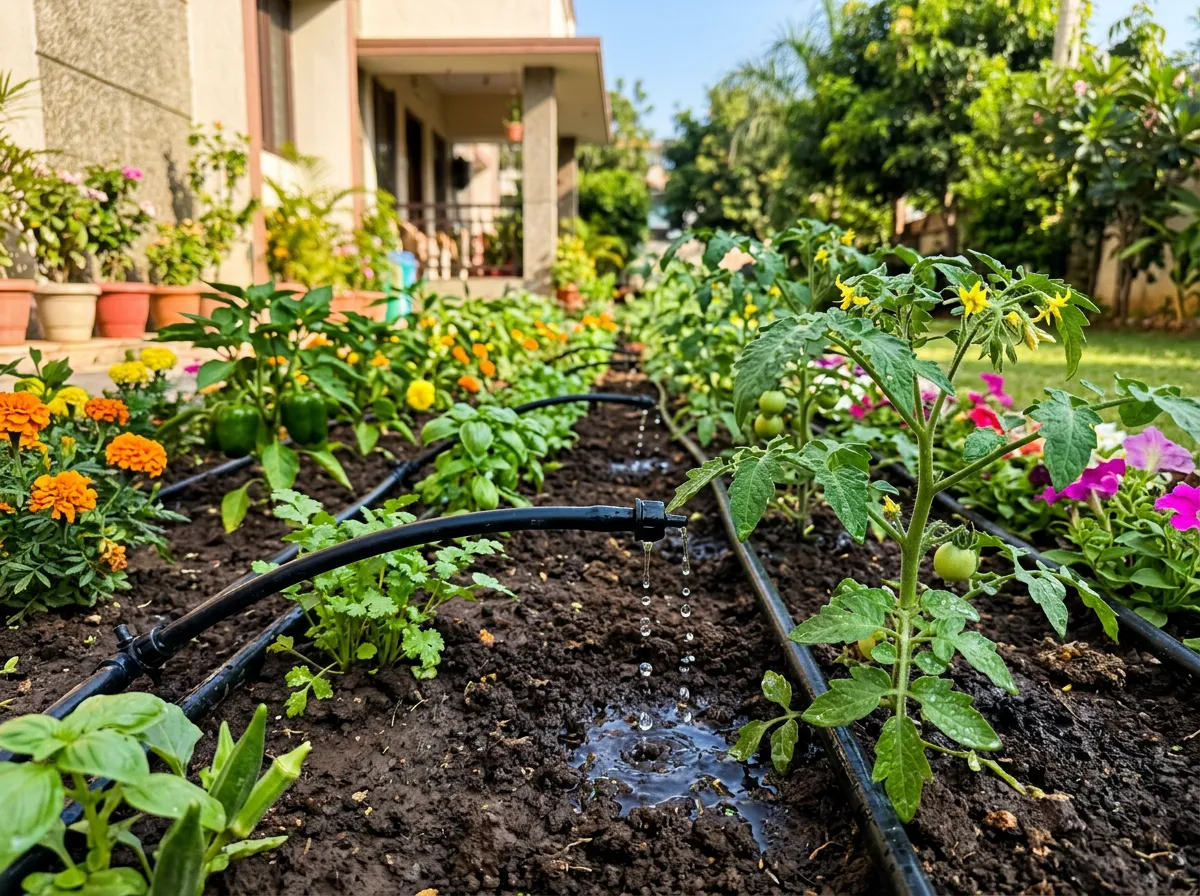
- Plant marigolds among vegetables to deter nematodes and some insects
- Grow basil, mint and coriander to confuse and repel pests
- Avoid broad-spectrum sprays that kill ladybirds and other helpers
- Add flowering plants to attract pollinators and predatory insects
Prevention beats cure
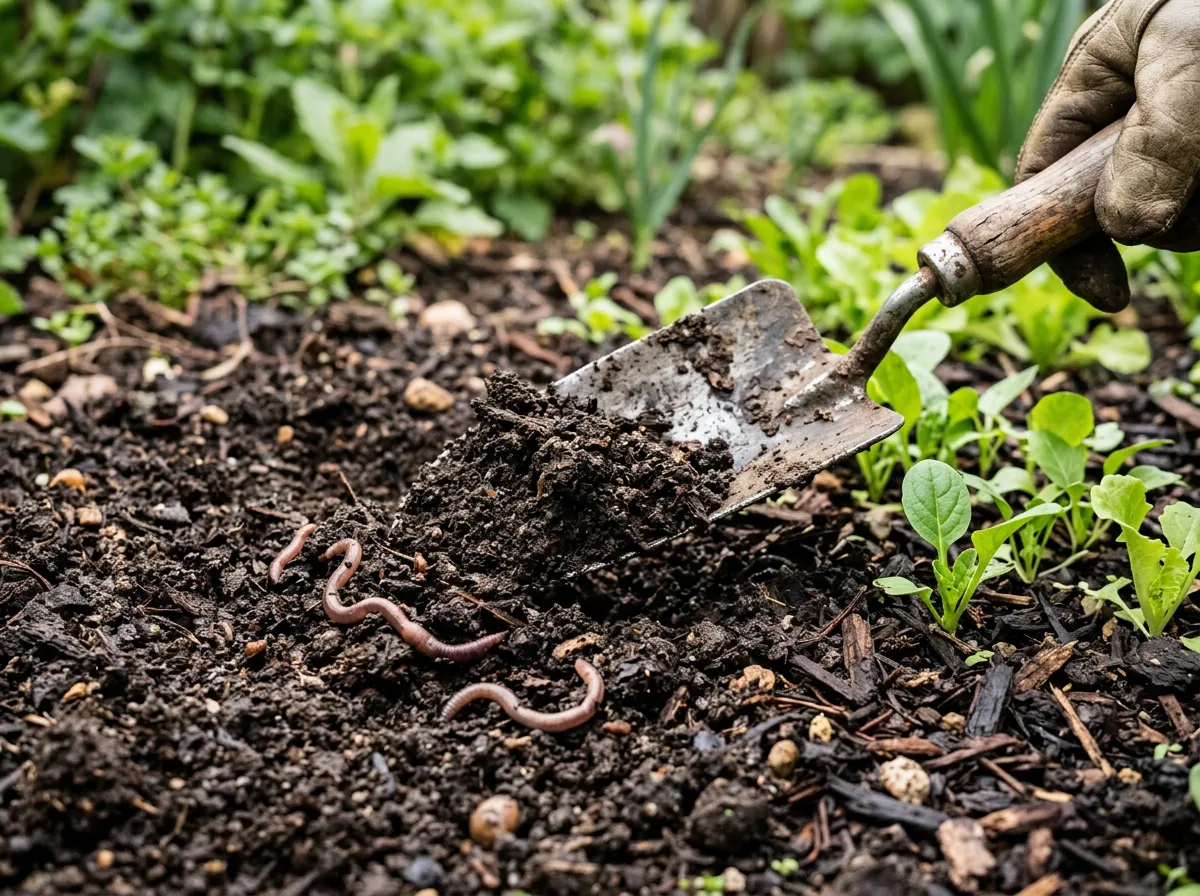
Strong, healthy plants resist pests far better than stressed ones, so good basic care is your best long-term defence. Well-fed, correctly watered plants in decent soil simply shrug off problems that overwhelm weak ones.
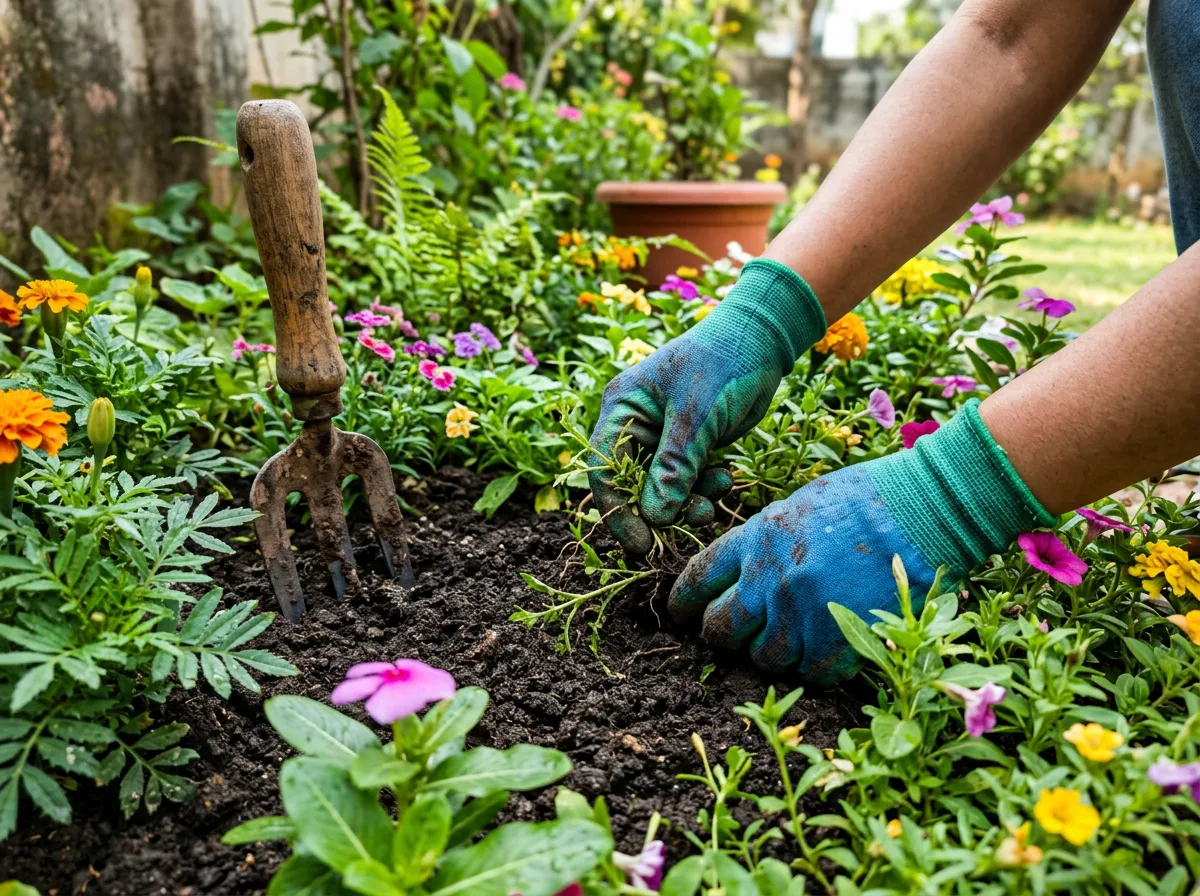
Keeping the garden tidy removes the hiding and breeding spots pests rely on, breaking their cycle before it builds.
Need help from a Pune gardening expert?
Get a free on-site consultation and quote from the Gardenist team.
Frequently Asked Questions
Related Gardenist Services
Ready to act on this? These services put it into practice across the Pune region.