The June to September monsoon can either revive or ruin a Pune garden. This guide covers drainage, root-rot prevention, fungal control and the plants that actually thrive in heavy rain.
Why monsoon garden care in Pune needs a different plan
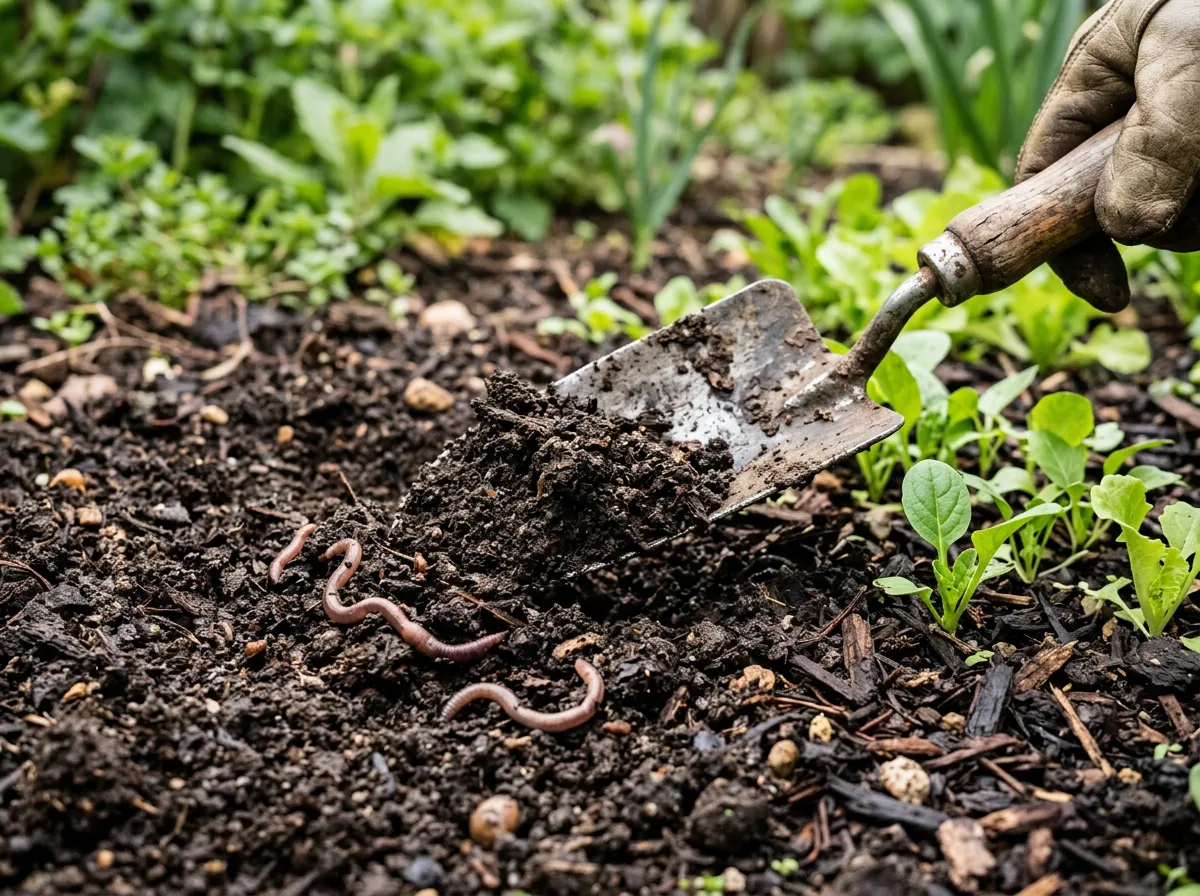
Pune receives most of its annual rainfall between June and September, and the sudden shift from a 40°C summer to weeks of steady downpour puts every plant under stress. Roots that adapted to dry heat are suddenly sitting in saturated soil, and that swing is what kills more plants than the rain itself.
The city's black-cotton soil makes this harder. It holds water like a sponge and drains painfully slowly, so a bed that looked healthy in May can turn into a waterlogged trap by mid-July. Planning for drainage before the first heavy shower is the single most useful thing you can do.
Fix drainage before the first heavy shower
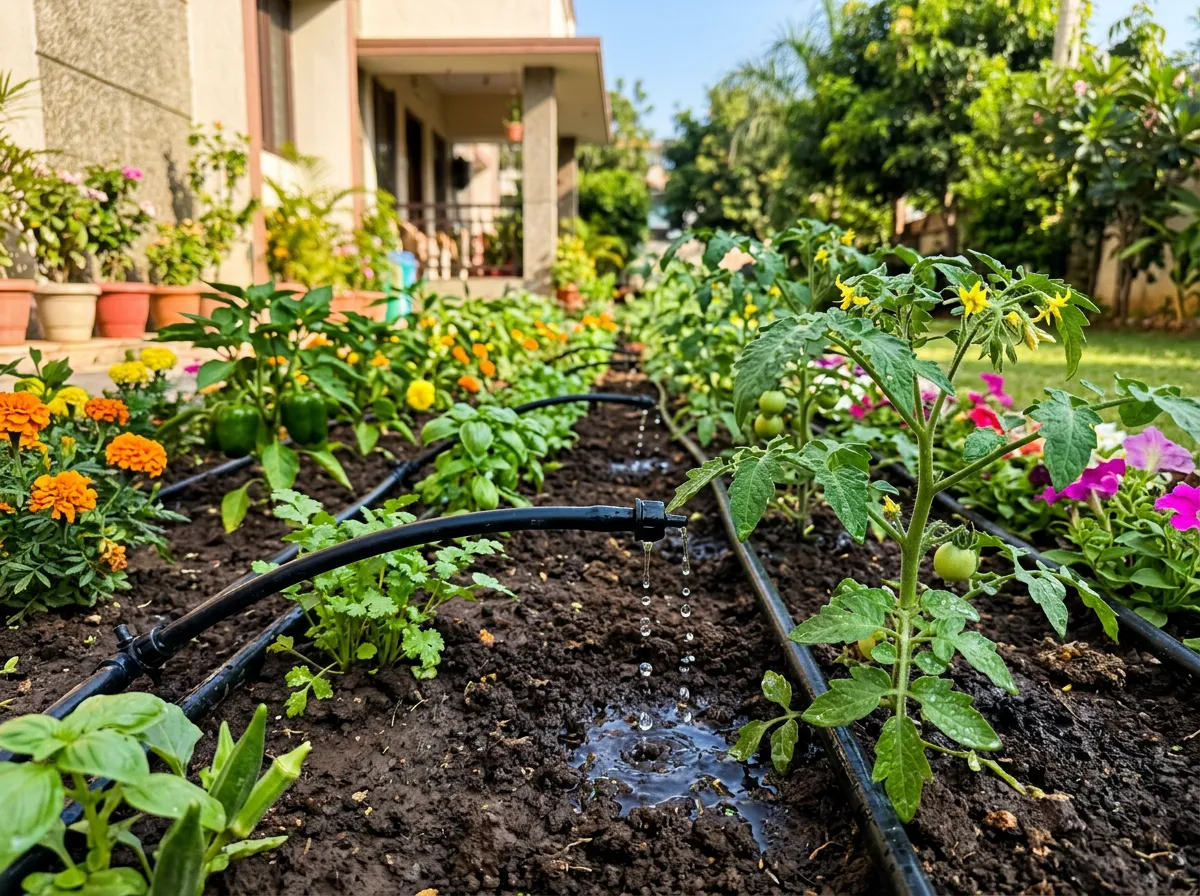
Waterlogging suffocates roots by pushing oxygen out of the soil, and in Pune's clay-heavy ground this happens fast. Raised beds, added grit and clear runoff paths are your first line of defence.
Check every container too. A single blocked drainage hole can drown a potted plant within a couple of rainy days.
- Raise vegetable and flower beds by 15 to 20 cm so excess water drains off the surface
- Mix coarse sand or fine gravel into black-cotton soil to open up its structure
- Lift pots onto bricks or pot feet so drainage holes never sit in standing water
- Clear leaf litter from drains and channels so runoff has somewhere to go
- Dig shallow diversion channels to lead water away from the base of trees
Beat fungal disease in the humid weeks
Constant moisture and warm air make July and August peak season for fungal problems: powdery mildew, leaf spot, damping-off in seedlings and root rot. Prevention is far easier than cure once an infection spreads.
Airflow and dry foliage are your best tools. Water at the base early in the day, and never crowd plants so densely that leaves stay wet for hours.
- Space plants generously so air can move between them and dry the leaves
- Remove yellowing or spotted leaves immediately and bin them, do not compost them
- Spray a neem oil solution every 10 to 14 days as a preventive measure
- Avoid overhead watering during breaks in the rain when soil is already wet
What to plant and what to hold back
The monsoon is a brilliant window for establishing new plants because the soil stays moist and transplant shock is low. Native and rain-loving species reward you with fast, lush growth.
Hold off on anything that hates wet feet, such as succulents and many herbs, until the rain eases in October.
- Good to plant now: turmeric, ginger, coleus, hibiscus, ferns and most leafy greens
- Great for colour: balsam, zinnia and marigold sown early in the season
- Hold back: rosemary, lavender, most succulents and seeds that rot in soggy soil
Weeding, feeding and routine upkeep
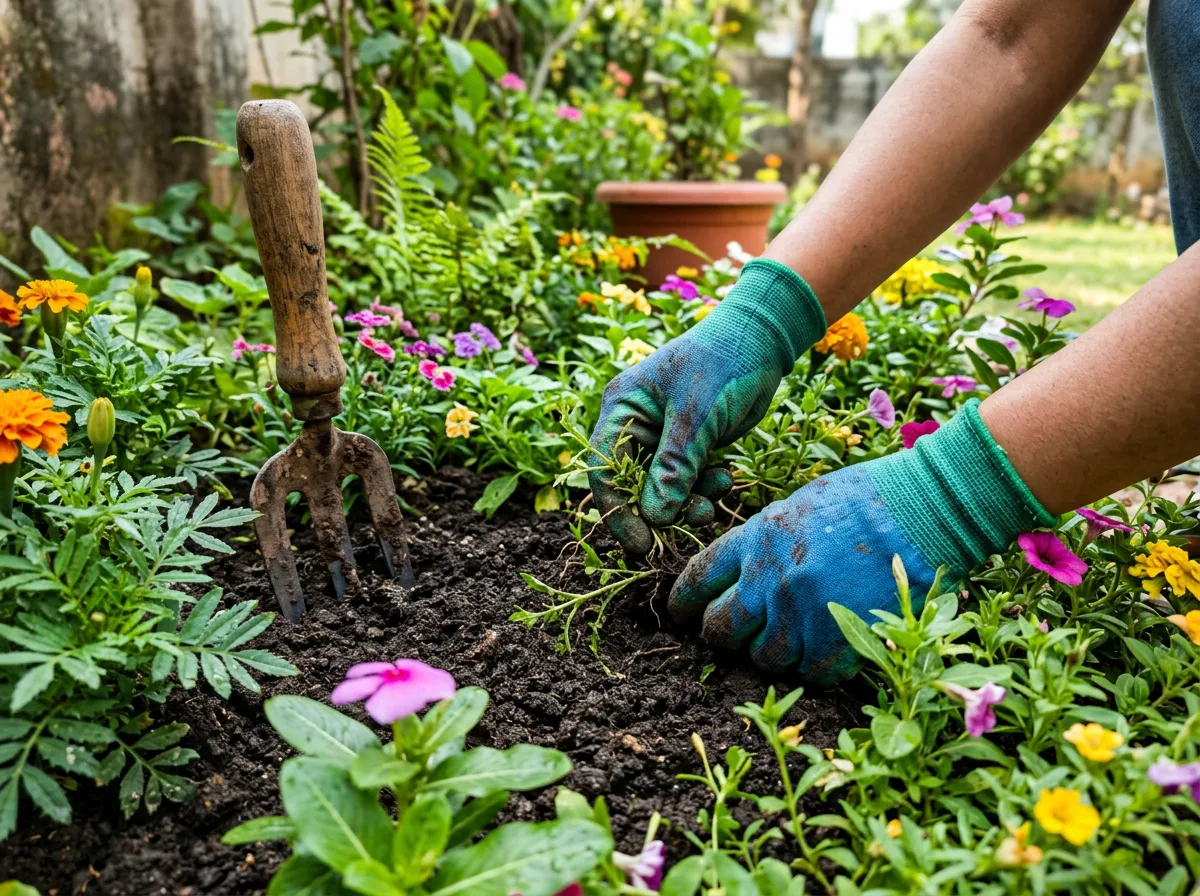
Weeds explode during the monsoon because the conditions that help your plants help them even more. Staying on top of weeding stops them from stealing nutrients and hosting pests.
Go easy on fertiliser. Heavy rain leaches nutrients away quickly, so light and frequent feeding beats a single heavy dose that simply washes out.
- Weed weekly while the soil is soft and roots pull out cleanly
- Feed with a diluted liquid organic fertiliser every two to three weeks
- Stake tall plants before storms so wind and rain do not flatten them
- Watch for snails and slugs, which multiply fast in the damp
Need help from a Pune gardening expert?
Get a free on-site consultation and quote from the Gardenist team.
Frequently Asked Questions
Related Gardenist Services
Ready to act on this? These services put it into practice across the Pune region.