Pruning intimidates a lot of gardeners, but the basics are simple. This guide explains when and how to prune common Pune garden plants so they grow denser, healthier and more floriferous.
A pruning guide built around why we prune
Pruning is simply the removal of specific parts of a plant to improve its health, shape or productivity. Done well, it encourages bushier growth, more flowers and fruit, and better airflow that keeps disease at bay.
The fear most gardeners feel is understandable, cutting a healthy plant feels wrong, but plants are remarkably resilient. Understanding the reason behind each cut takes the guesswork out of it.
When to prune in Pune's seasons
Timing matters more than technique. Prune at the wrong moment and you can cut off the very buds that would have flowered, or leave fresh wounds exposed during the humid monsoon when infection spreads fast.
As a general rule, prune most plants after they finish flowering, and do heavier structural pruning in the cool, dry period before the growth surge.
- Late winter (Jan to Feb): major structural pruning before spring growth
- After flowering: prune spring and winter bloomers once flowers fade
- Avoid heavy pruning in peak monsoon, when wet wounds invite fungus
- Light summer pruning is fine to remove dead or damaged growth only
- Deadhead spent flowers any time to encourage more blooms
How to make a clean, correct cut
Good tools and good technique protect the plant. A ragged or badly placed cut heals slowly and becomes an entry point for pests and disease, especially in Pune's humid months.
Always cut with purpose. Step back often to check the plant's shape rather than hacking away and hoping for the best.
- Use sharp, clean secateurs and wipe the blades between plants
- Cut just above a healthy outward-facing bud at a slight angle
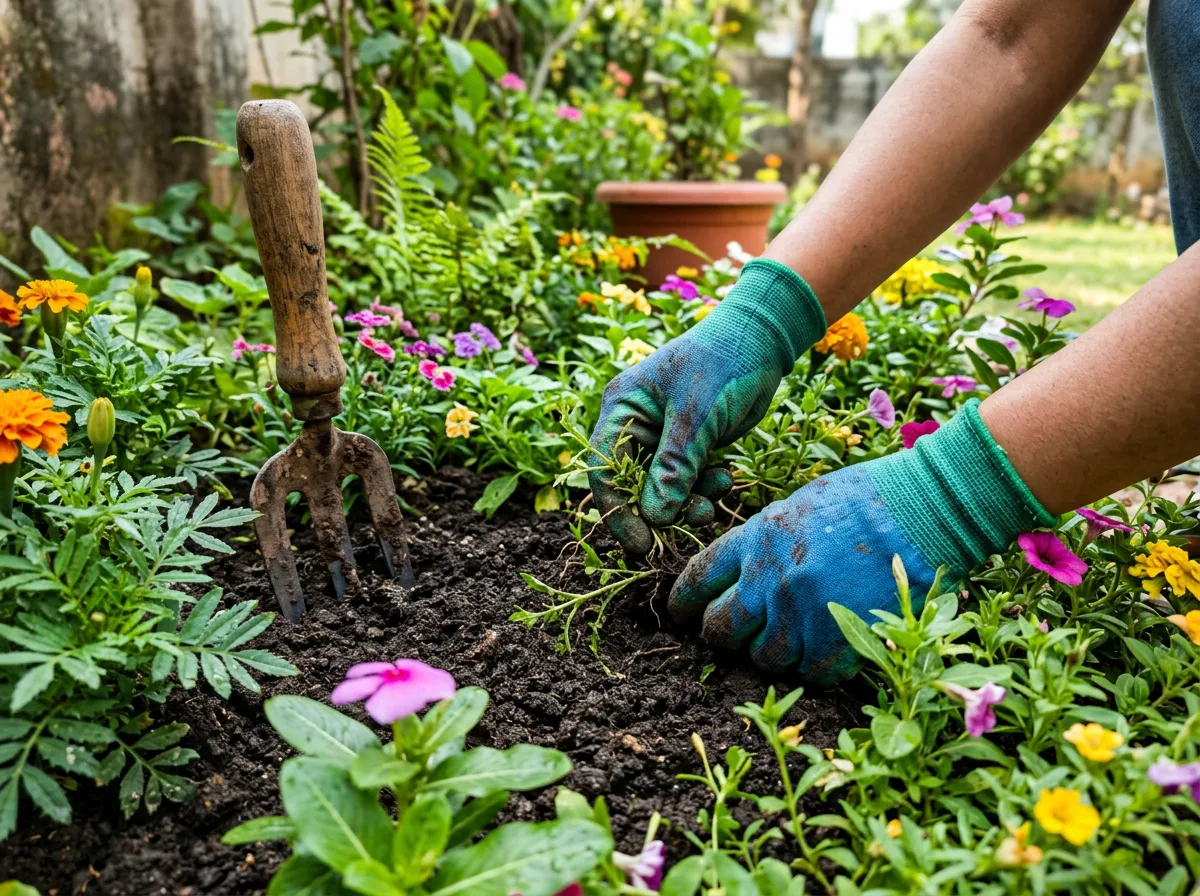
- Remove dead, diseased and crossing branches first
- Never remove more than about a third of the plant in one session
- Thin crowded stems to open up the centre for light and air
Pruning common Pune garden plants
Different plants have different needs, and a few local favourites come up again and again. Hibiscus, bougainvillea, roses and hedges all respond beautifully to the right cuts.
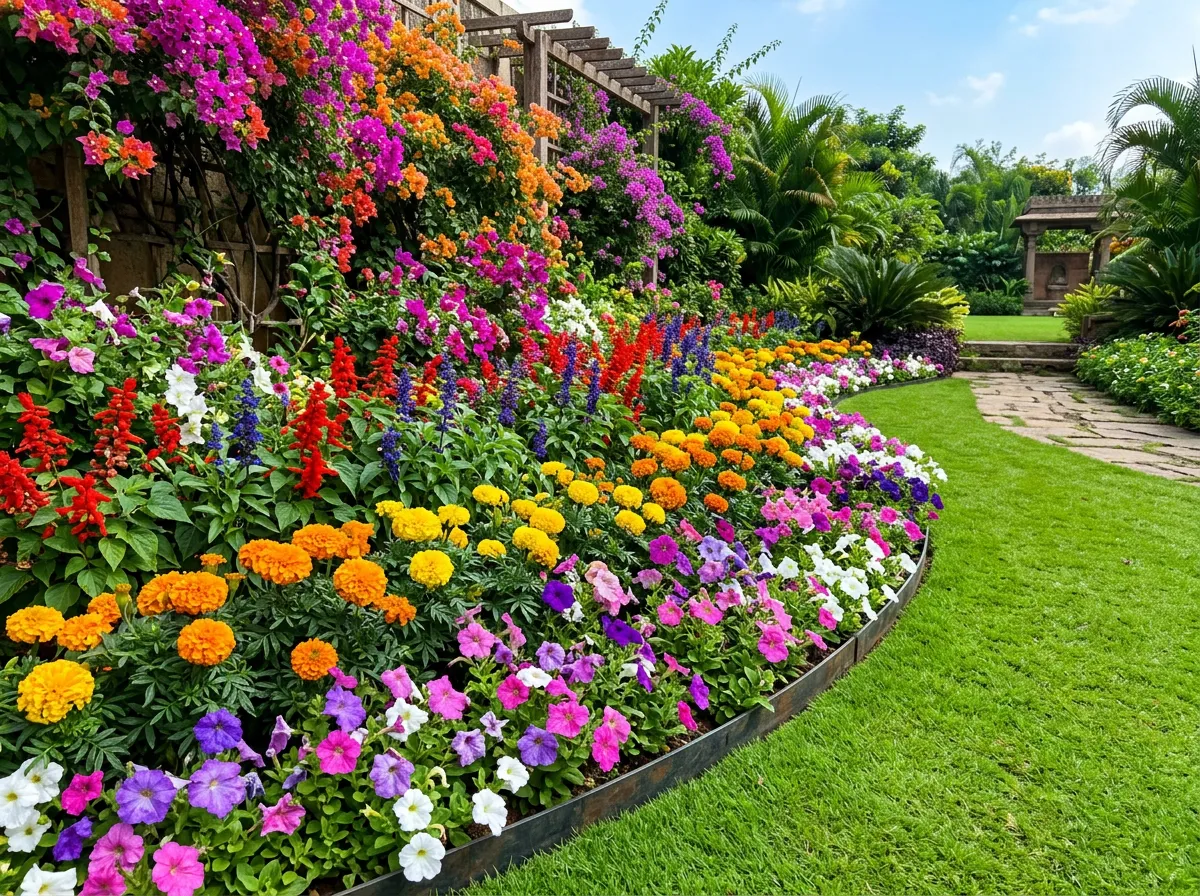
Flowering shrubs in particular flower more freely when pruned, because pruning stimulates the new growth on which many of them bloom.
- Hibiscus: prune lightly after flowering to keep it bushy and blooming
- Bougainvillea: cut back hard after a flush to trigger the next one
- Roses: remove weak and inward growth, cut above outward buds in winter
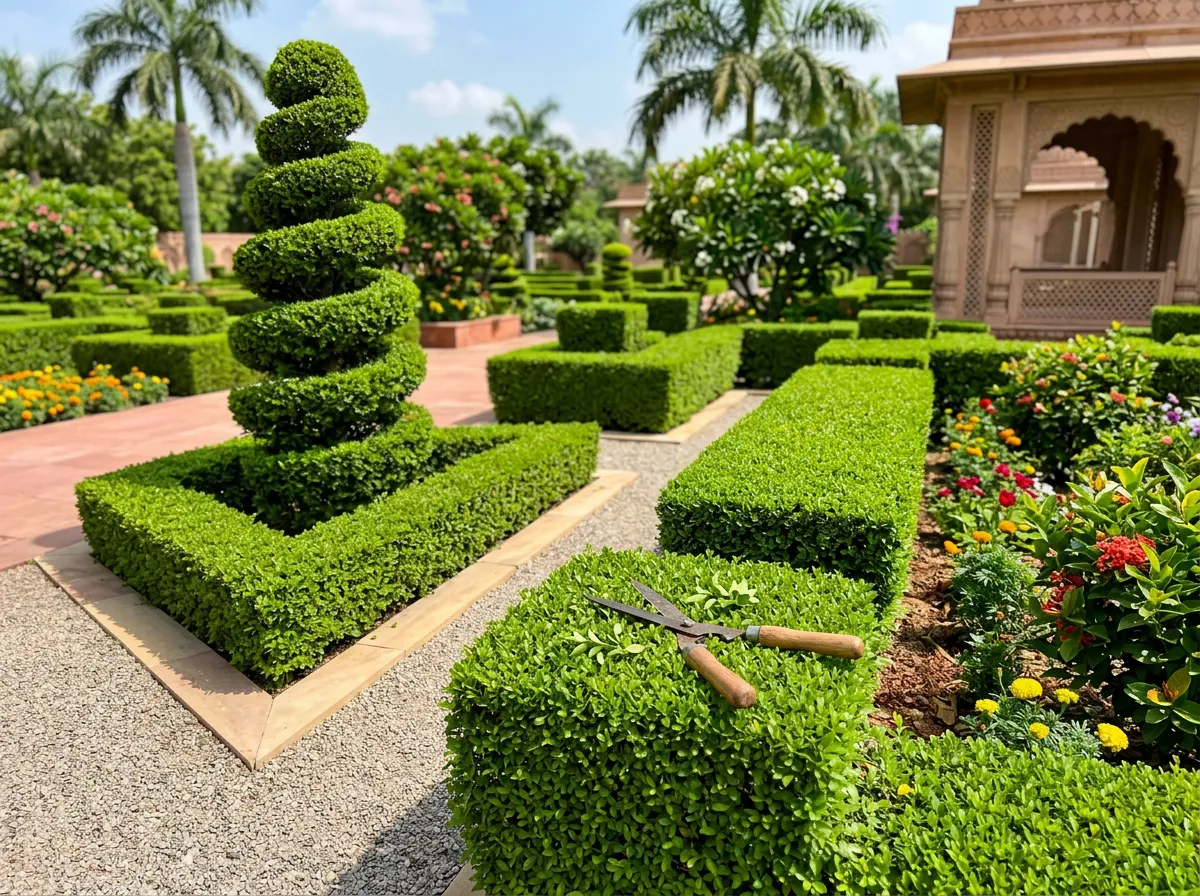
- Hedges and topiary: trim regularly, keeping the base wider than the top
Aftercare and common mistakes
A freshly pruned plant is putting energy into new growth, so a little support helps it bounce back quickly. Water well and, if it is the right season, follow up with a light feed.
The most common mistake is over-pruning out of enthusiasm. When in doubt, cut less, you can always take more off later, but you cannot put a branch back.
Need help from a Pune gardening expert?
Get a free on-site consultation and quote from the Gardenist team.
Frequently Asked Questions
Related Gardenist Services
Ready to act on this? These services put it into practice across the Pune region.