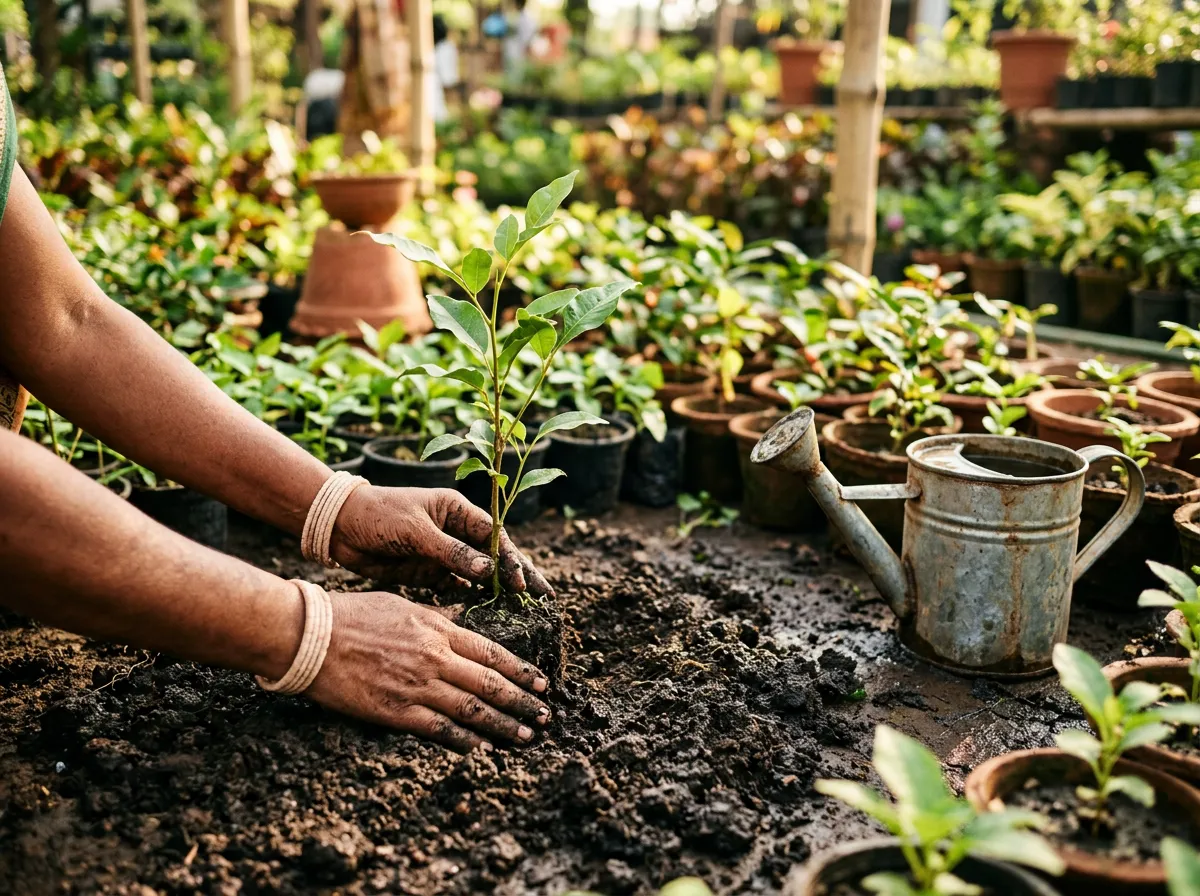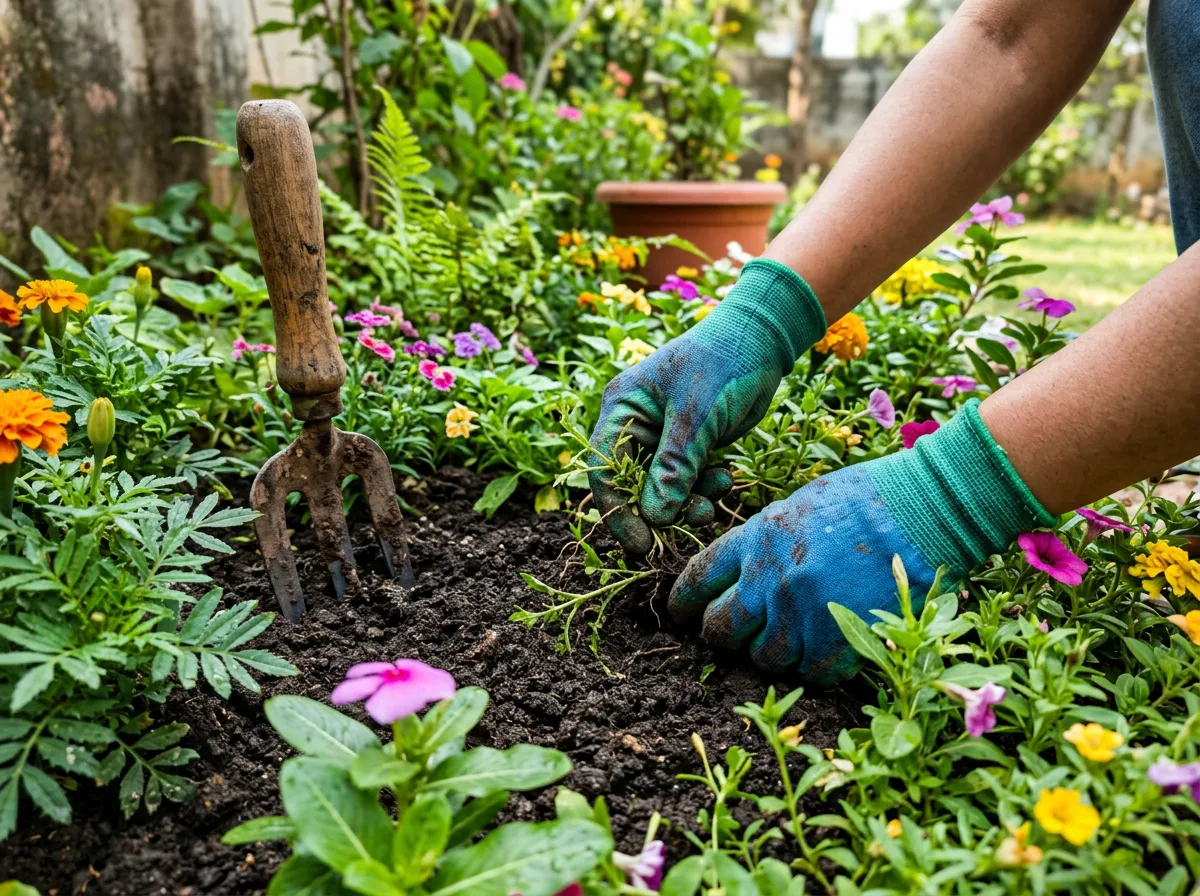
Composting turns your daily kitchen scraps into free, rich food for your garden. This beginner-friendly guide shows how to compost successfully in a Pune flat, terrace or small garden.
Home composting turns waste into garden gold
Nearly half of a typical Indian household's waste is wet, organic kitchen scraps, and composting turns that daily rubbish into one of the best soil conditioners money cannot easily buy. It is free, it enriches your garden, and it keeps waste out of overflowing landfills.
Composting suits Pune life perfectly. Whether you have a full garden, a terrace or just a balcony in a flat, there is a method that fits your space, and the warm climate speeds the whole process along.
Getting the greens and browns right
Good compost comes down to a simple balance between two ingredients: nitrogen-rich greens and carbon-rich browns. Get the mix roughly right and nature does the rest.
Too many greens turns the pile into a wet, smelly mess, while too many browns makes it break down slowly. Aim for a rough balance and adjust as you learn.
- Greens (wet, nitrogen): vegetable and fruit peels, tea leaves, coffee grounds, fresh garden trimmings
- Browns (dry, carbon): dry leaves, shredded paper and cardboard, sawdust, coco peat
- Avoid: meat, fish, dairy, oily food, and diseased plant material
- Aim for roughly equal volumes of greens and browns
- Chop scraps small so they break down faster
Choose a method that fits your space
You do not need a big garden to compost. City gardeners across Pune manage perfectly well with compact bins on a balcony or in a corner of the terrace.
Pick a method based on how much waste you generate and how much room you have, then start small, you can always scale up.
- Two-bin or three-bin systems for gardens with steady waste
- Stackable terracotta or plastic composters, ideal for balconies and flats
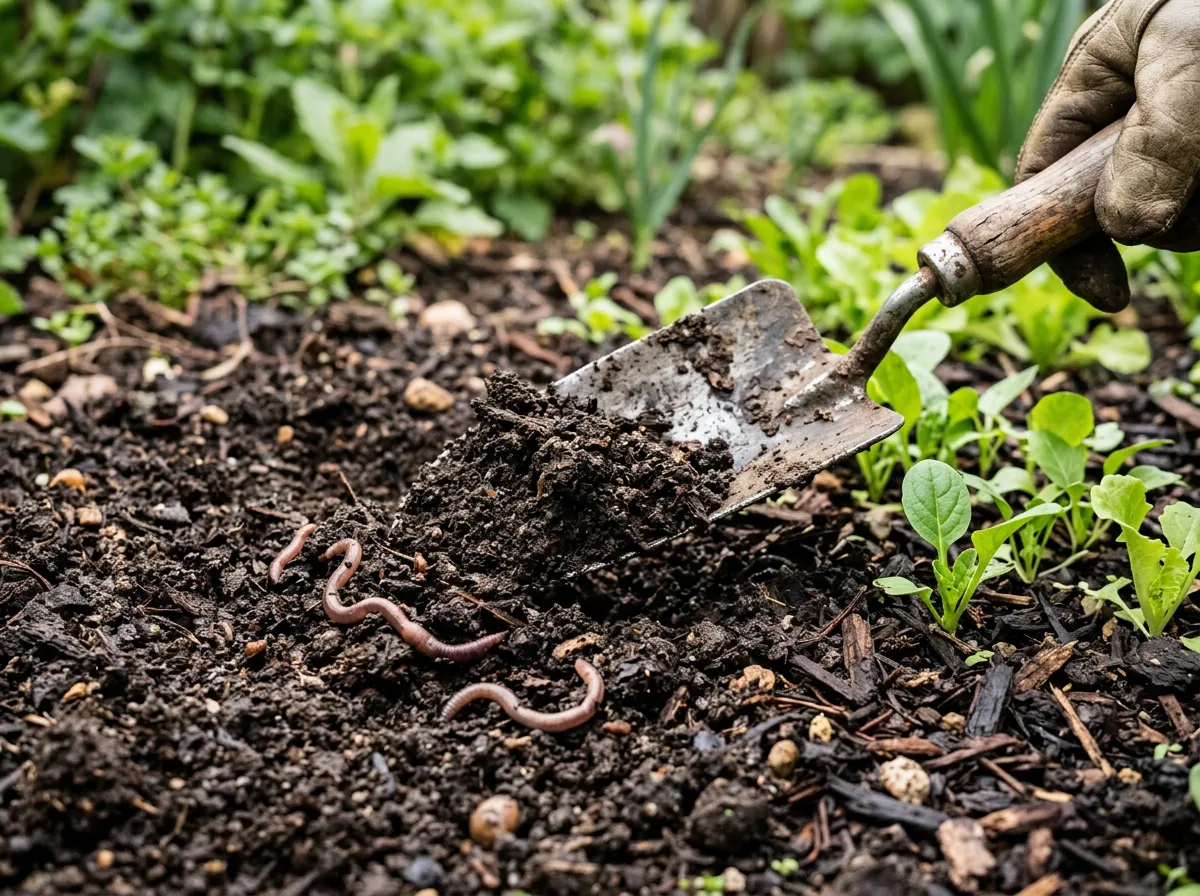
- Vermicomposting with earthworms for fast, rich, odour-free compost
- A simple covered bucket for small households to get started
Keep the pile happy
Compost is alive with microbes, and like any living thing it needs air, moisture and a little attention. The good news is that maintenance takes only a few minutes each week.
In Pune's dry summer you may need to sprinkle a little water, while in the monsoon you will want to keep the pile covered so it does not turn soggy.
- Turn or mix the pile every week or two to add air
- Keep it as moist as a wrung-out sponge, no wetter
- Add a layer of browns if it starts to smell
- Cover the bin during heavy monsoon rain to control moisture
Knowing when compost is ready and how to use it
Finished compost is dark, crumbly and smells pleasantly of fresh earth, with no recognisable scraps left. In Pune's warmth this usually takes around two to three months.
Once ready, this black gold can be mixed into beds, added to potting soil, or spread as a nutrient-rich mulch around your plants.
Need help from a Pune gardening expert?
Get a free on-site consultation and quote from the Gardenist team.
Frequently Asked Questions
Related Gardenist Services
Ready to act on this? These services put it into practice across the Pune region.