Fertilising confuses many gardeners, but it does not have to. This simple guide explains NPK, organic versus chemical feeds, and exactly how and when to feed the plants in a Pune garden.
A fertilizer guide that starts with the basics
Plants make their own food through photosynthesis, but they still need nutrients from the soil to build that food, much as we need vitamins and minerals in our diet. Fertiliser simply tops up those nutrients when the soil runs short.
The catch is that more is not better. Overfeeding can burn roots, force weak leggy growth and pollute groundwater. Understanding what your plants actually need is the whole point of this guide.
Understanding NPK and what each nutrient does
Every bag of fertiliser carries three numbers, the NPK ratio, which stands for nitrogen, phosphorus and potassium. These are the three nutrients plants need in the largest amounts, and each does a distinct job.
Matching the ratio to your plant's current stage, leafy growth, flowering or fruiting, is the key to feeding effectively.
- N (Nitrogen): drives lush, green leafy growth, great for lawns and greens
- P (Phosphorus): supports strong roots, flowers and fruit
- K (Potassium): builds overall plant health and disease resistance
- A balanced feed (like 19-19-19) suits general all-round growth
- Plants also need smaller amounts of micronutrients like iron and zinc
Organic versus chemical fertilisers
Both organic and chemical fertilisers feed plants, but they work very differently. Chemical feeds act fast and precisely, while organic feeds work slowly, feeding the soil life as well as the plant.
For most home gardeners in Pune, an organic-first approach builds healthier soil over time, with the option of a targeted chemical boost when a plant needs quick help.
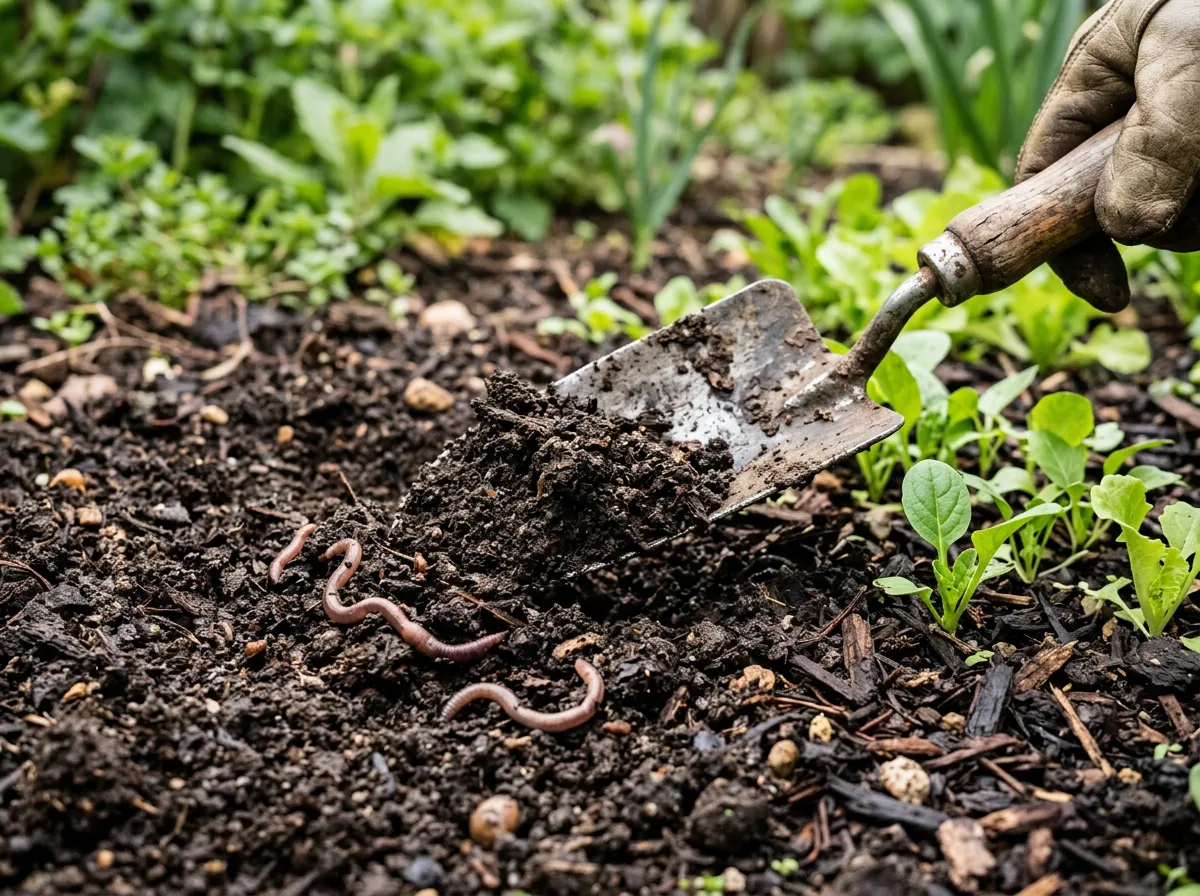
- Organic options: compost, vermicompost, cow manure, bone meal, neem cake
- Organic pros: improve soil structure, release slowly, hard to overdose
- Chemical pros: fast-acting, precise ratios, convenient for quick fixes
- Chemical cons: can burn roots and harm soil life if overused
How and when to fertilise in Pune
Timing and technique matter as much as the type of feed. Feed during the active growing season, when plants can actually use the nutrients, rather than in dormancy.
In Pune's heavy monsoon, nutrients wash out of the soil quickly, so lighter, more frequent feeding beats a single heavy dose that simply drains away.
- Feed most plants during the growing season, roughly winter and post-monsoon
- Always water the soil before and after applying fertiliser
- Feed lightly and often during the monsoon to offset leaching
- Use a bloom-boosting (higher P) feed as flowering plants set buds
- Ease off feeding in the peak summer dormancy of many plants
Common feeding mistakes to avoid
The single most common error is overfeeding in the belief that more nutrients mean more growth. In reality it stresses plants and damages soil, so restraint pays off.
The second is feeding blindly. A quick look at your plants, or a simple soil test, tells you far more about what they actually need than a fixed schedule ever will.
Need help from a Pune gardening expert?
Get a free on-site consultation and quote from the Gardenist team.
Frequently Asked Questions
Related Gardenist Services
Ready to act on this? These services put it into practice across the Pune region.