Greywater from your basins, showers and washing machines can water the garden and flush toilets instead of going down the drain. Here is how greywater recycling works for Pune homes and societies, and where the water can safely go.
What greywater recycling is
Greywater is the gently used water from bathroom basins, showers, tubs and washing machines. It is different from blackwater, which comes from toilets and kitchen sinks and carries much heavier contamination. Because greywater is only lightly soiled, it is far easier and cheaper to treat and reuse.
Recycling it simply means capturing that water, giving it enough treatment for its intended reuse, and directing it to a task that does not need drinking-quality water, such as irrigation or flushing.
Why it makes sense in Pune
Greywater can make up a large share of a household's daily water use, so reusing it meaningfully cuts fresh-water demand. In Pune, where many societies rely on expensive tankers through the summer, that saving is both financial and practical.
It also reduces the load on the sewer and on any downstream STP, and keeps gardens green even when municipal supply is rationed.
- Reduces fresh-water and tanker bills, especially in the dry season.
- Lowers the volume of sewage the household or society sends to treatment.
- Keeps landscaping alive during water cuts and restrictions.
- Supports green-building ratings and society sustainability goals.
Simple versus advanced systems
Greywater systems range from very basic to fully engineered, and the right level depends on how you plan to reuse the water and how much you collect.
For a single home watering plants, a simple diversion setup may be enough. For a society reusing water for flushing across many flats, a proper treatment system with storage and pumping is needed.
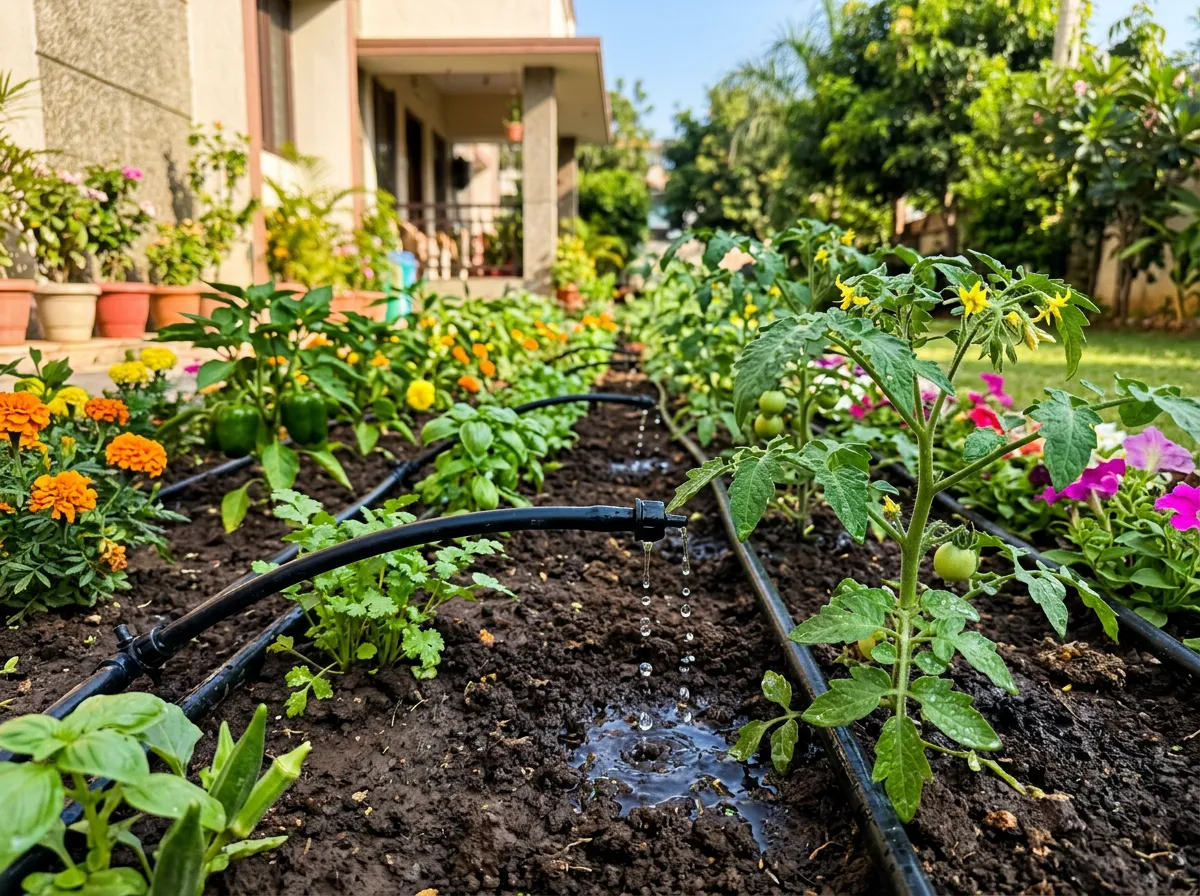
- Direct diversion: greywater is piped straight to garden beds through a simple filter, ideal for small homes and immediate irrigation.
- Filter-and-store: coarse filtration plus a small settling and storage tank, suitable for larger gardens.
- Treated recycling: filtration, biological treatment and disinfection producing water clean enough for toilet flushing and wider reuse, typical for societies.
- Dual plumbing: a separate pipe network that carries recycled water to flushing cisterns and garden taps.
Using greywater safely
Untreated greywater should be used quickly and never stored for long, because the organic matter in it turns septic and smells within a day or so. It is best applied below the surface or at the root zone rather than sprayed, and it should not touch the edible parts of food crops.
Choosing plant-friendly, low-sodium soaps and detergents keeps the soil and plants healthy over time, since salts and boron from some products can build up and harm the garden.
- Use untreated greywater within about 24 hours; do not store it raw.
- Apply to soil and roots, not to leaves or edible produce.
- Prefer biodegradable, low-salt soaps and detergents.
- Rotate greywater with fresh water occasionally to flush salts from the soil.
Need help from a Pune gardening expert?
Get a free on-site consultation and quote from the Gardenist team.
Frequently Asked Questions
Related Gardenist Services
Ready to act on this? These services put it into practice across the Pune region.