Setting up effluent treatment for a Pune factory? Learn how an ETP works stage by stage, when Zero Liquid Discharge applies, what MPCB expects, and how treated effluent can be recycled back into your process or landscaping.
What an ETP for industries does
An effluent treatment plant, or ETP, treats the process wastewater produced by manufacturing before it is reused or discharged. Unlike domestic sewage, industrial effluent can carry oils, heavy metals, dyes, acids, alkalis and high organic loads, so an ETP is engineered around the specific effluent an industry generates.
For units in Pune's industrial belts such as Chakan, Ranjangaon, Bhosari and Talegaon, a compliant ETP is essential both for environmental responsibility and for keeping the MPCB consent that lets the plant operate.
The treatment stages: primary, secondary and tertiary
A typical ETP works in sequential stages, each removing a different class of pollutant. The exact configuration is tailored to the effluent, but the broad logic stays the same across most industries.
Effluent usually first passes through screening and an equalisation tank that balances flow and load before the main treatment begins.
- Primary treatment: physical and chemical removal of suspended solids and oils through screening, oil-and-grease traps, coagulation, flocculation and settling.
- Secondary treatment: biological breakdown of dissolved organic matter using aerobic or anaerobic processes, reducing BOD and COD significantly.
- Tertiary treatment: polishing to remove residual solids, colour, nutrients and pathogens using filtration, activated carbon, and disinfection.
- Sludge handling: the solids removed at each stage are thickened, dewatered and disposed of through authorised channels.
Zero Liquid Discharge (ZLD)
Zero Liquid Discharge means no liquid effluent leaves the site at all; every drop is recovered and reused, and only dry solids remain for disposal. Many polluting industries and those in water-stressed or restricted zones are required to move toward ZLD.
ZLD typically adds advanced stages such as reverse osmosis to concentrate the effluent, followed by evaporators and crystallisers that recover the last of the water and leave behind salts. It is capital and energy intensive, but it protects both compliance and long-term water security.
MPCB consent and monitoring
Industries in Maharashtra must obtain a Consent to Establish from the MPCB before setting up, and a Consent to Operate before running production. The consent specifies discharge standards and, increasingly, requires online monitoring of key parameters that report directly to the board.
Staying compliant means continuous operation, calibrated instruments, trained operators and meticulous record-keeping. Non-compliance can lead to closure notices, so treatment is treated as core infrastructure rather than an afterthought.
- Match your ETP design to your consent conditions and effluent characterisation report.
- Maintain online continuous emission and effluent monitoring where mandated.
- Keep logbooks for flow, chemical dosing, power and sludge disposal.
- Have effluent tested by an accredited laboratory at the required frequency.
Reusing treated effluent
Treated effluent that meets reuse standards is valuable. Depending on quality it can go back into cooling towers, floor washing, process make-up water, or landscaping and green-belt irrigation on the plant premises.
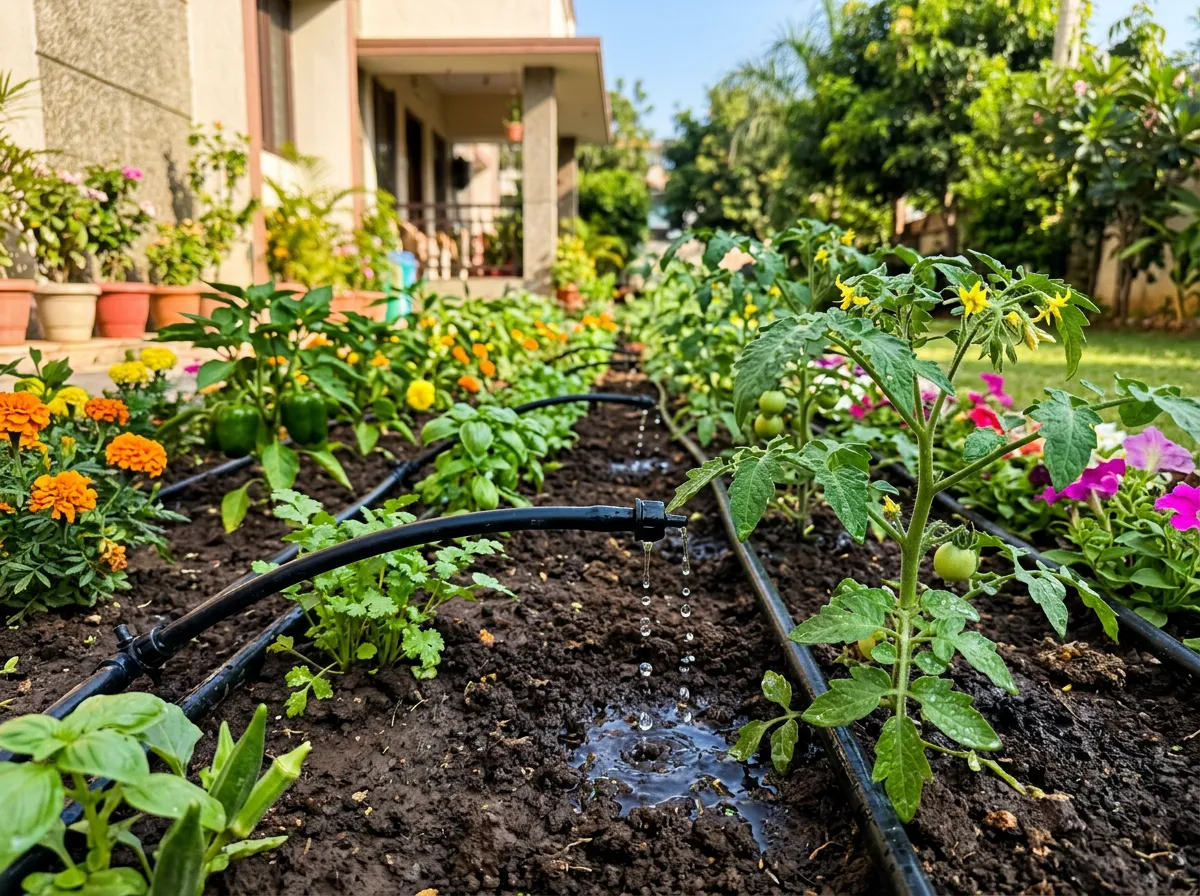
Many industries are required to develop and maintain green belts around their sites. Channeling suitably treated water to that landscaping is an efficient way to close the loop, keep the premises green and reduce fresh-water draw.
Need help from a Pune gardening expert?
Get a free on-site consultation and quote from the Gardenist team.
Frequently Asked Questions
Related Gardenist Services
Ready to act on this? These services put it into practice across the Pune region.