Sooner or later every potted plant outgrows its home. This guide covers the tell-tale signs a plant needs repotting, the best time to do it in Pune, and how to repot without shocking the plant.
Repotting plants: why and when it matters
A pot is a closed world. Over time roots fill the available space, the potting mix breaks down and loses structure, and the nutrients run out. Repotting refreshes that world, giving the plant room and resources to keep thriving.
Most healthy, growing plants need repotting every one to two years, though fast growers may need it sooner and slow growers much later. Learning to read the signs matters more than following a fixed calendar.
Signs your plant is ready for a bigger home
Plants tell you clearly when they are cramped, if you know what to look for. Catching these signs early prevents the decline that comes with a severely root-bound plant.
Do a quick check by gently sliding the plant out of its pot to inspect the roots, this is the surest test of all.
- Roots growing out of the drainage holes at the bottom
- Roots circling densely around the inside of the pot, root-bound
- Water running straight through without soaking in
- The plant drying out unusually fast between waterings
- Stunted growth, or the plant looking too big and top-heavy for its pot
The best time to repot in Pune
Timing hugely affects how well a plant recovers. The goal is to repot when the plant is entering active growth, so it can quickly push out new roots into the fresh mix.
In Pune, the cooler post-monsoon and winter months are generally ideal. Avoid repotting in the peak 40°C-plus summer, when the added stress of disturbed roots can be too much.
- Best window: October to February, during cool, active growing weather
- Also good: the start of the monsoon, when growth surges
- Avoid: the peak of summer, when heat stress is already high
- Avoid repotting a plant while it is flowering, if you can
How to repot, step by step
Repotting is straightforward once you have your pot and mix ready. Choose a new container only one or two sizes larger, an oversized pot holds too much wet soil and can rot the roots.
Handle the roots gently and work in the shade, then keep the plant out of harsh sun for a few days afterwards while it settles in.
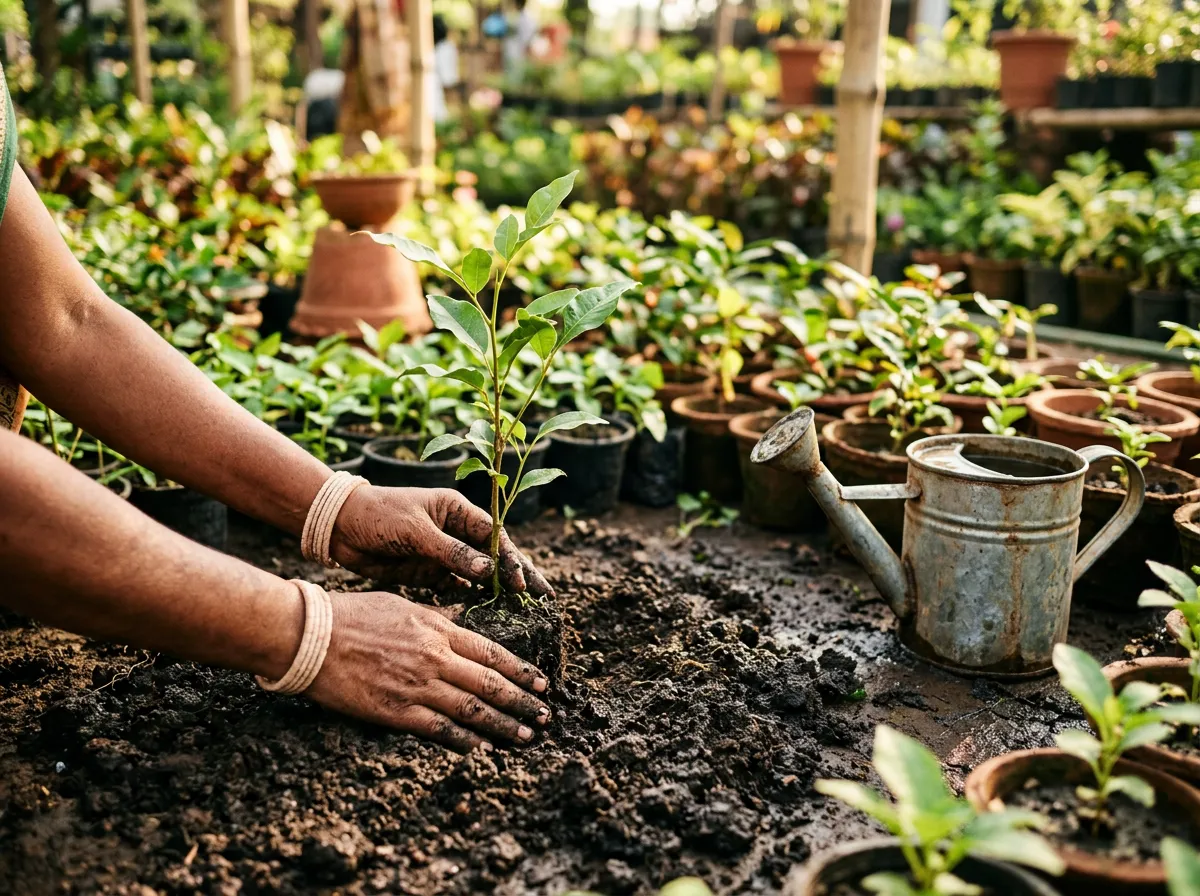
- Water the plant a day before, so the root ball slides out cleanly
- Choose a pot 2 to 5 cm wider than the old one, with drainage holes
- Gently tease out circling roots and trim any dead or mushy ones
- Add fresh potting mix, position the plant, and firm soil around it
- Water well and keep in shade for a few days to recover
Aftercare and avoiding transplant shock
A freshly repotted plant may sulk for a few days, drooping a little as it adjusts, this is normal transplant shock and usually passes quickly with the right care.
Resist the urge to fertilise straight away. Fresh potting mix already holds nutrients, and feeding stressed roots can burn them, so wait a few weeks before you start feeding again.
Need help from a Pune gardening expert?
Get a free on-site consultation and quote from the Gardenist team.
Frequently Asked Questions
Related Gardenist Services
Ready to act on this? These services put it into practice across the Pune region.