Tomatoes are the most rewarding container crop for Pune home gardeners. This guide covers pot size, soil, staking, watering, and feeding to get a heavy, healthy harvest from just a few plants.
How to grow tomatoes in containers successfully
Tomatoes are the container crop that convinces most people they can grow food. A single healthy plant can yield kilos of fruit over a season, and they adapt beautifully to pots on a Pune balcony or terrace.
Success comes down to a few basics done well: a big enough pot, rich free-draining soil, plenty of sun, firm support, and steady feeding. Get these right and the plant does the rest.
Choosing pot, soil, and variety
Tomatoes are hungry, thirsty plants with deep roots, so give them room. Cramped pots lead to stressed plants and small, sparse fruit.
- Pot size: minimum 12-15 litres, deeper is better
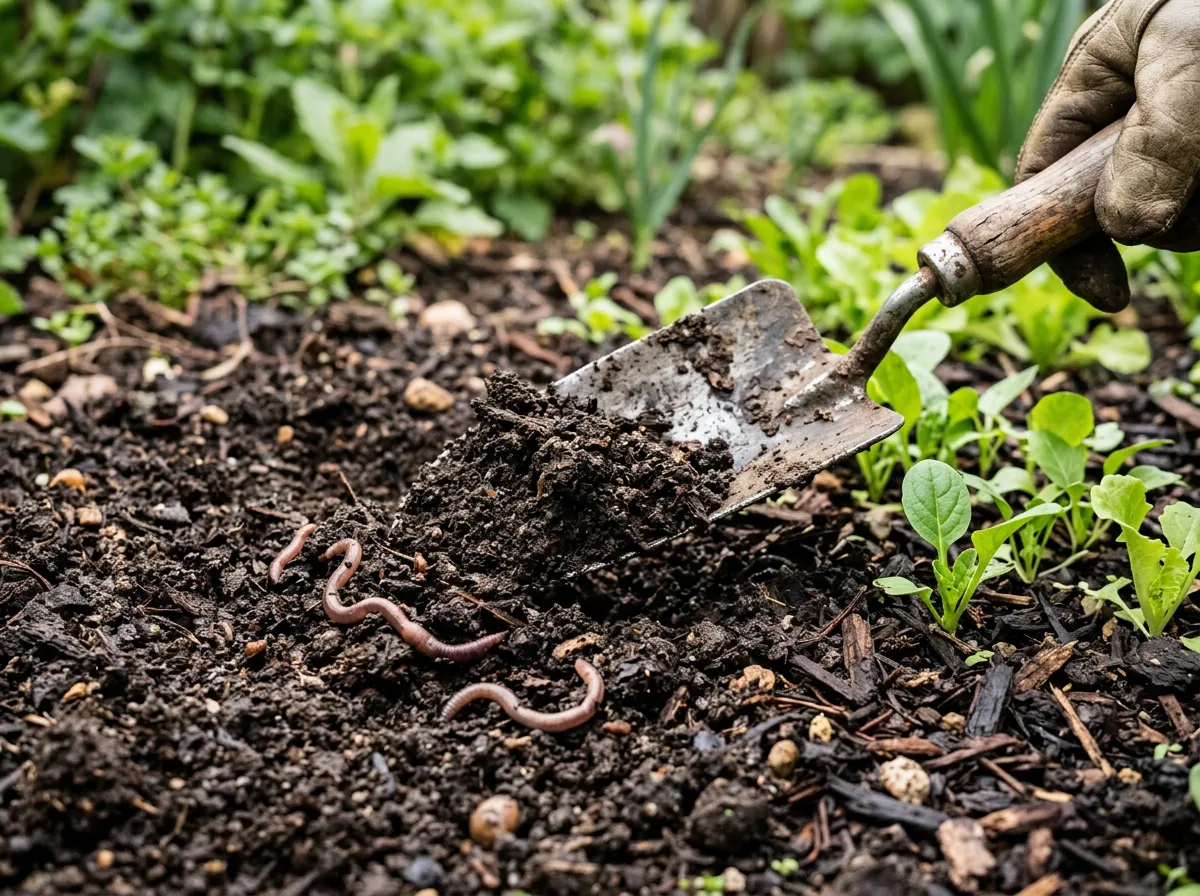
- Soil: 40% cocopeat, 30% compost, 30% garden soil
- Add bonemeal or rock phosphate at planting for strong roots
- Determinate varieties for compact balconies
- Indeterminate and cherry types for continuous terrace harvests
- One plant per pot to avoid crowding
Sunlight, watering, and staking
Tomatoes need at least six hours of direct sun to fruit well, so pick the brightest position you have. In Pune, the rabi season delivers ideal light and cool nights for fruit set.
Water deeply and consistently, keeping the soil evenly moist but never waterlogged. Erratic watering causes fruit to crack and triggers blossom-end rot. Stake or cage the plant early so stems stay upright as fruit weight builds.
Feeding and pruning for more fruit
Once flowering begins, tomatoes are heavy feeders. A regular organic feed keeps them producing right through the season.
- Feed every 10-14 days with compost tea or vermicompost
- Add a potassium-rich feed like wood ash or banana peel tea at fruiting
- Pinch out side shoots on indeterminate types for airflow
- Remove lower yellowing leaves to reduce disease
- Hand-pollinate by gently shaking flowers on still days
Common tomato problems and organic fixes
Blossom-end rot shows as a dark sunken patch at the fruit base and signals uneven watering or low calcium; fix it with steady moisture and a little crushed eggshell in the mix.
For fruit borer, aphids, and whitefly, an evening neem oil spray usually does the job. Yellowing curled leaves often mean overwatering, so let the pot dry slightly before the next round.
Need help from a Pune gardening expert?
Get a free on-site consultation and quote from the Gardenist team.
Frequently Asked Questions
Related Gardenist Services
Ready to act on this? These services put it into practice across the Pune region.