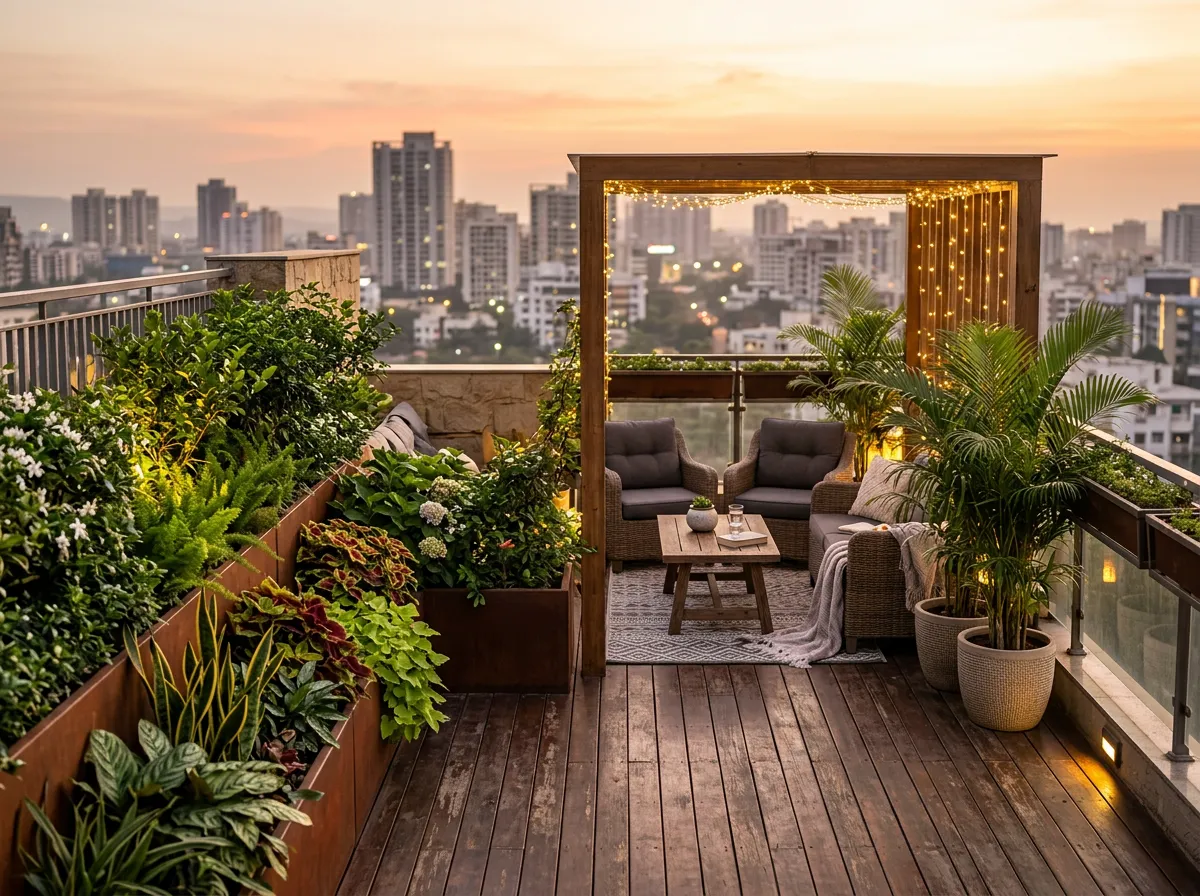
Ready to go beyond a few pots? This practical terrace farming guide covers planning a productive rooftop in Pune, from load and waterproofing to grow beds, drainage, and year-round crop rotation.
Terrace farming guide: planning your rooftop
Terrace farming turns an unused rooftop into a genuine food-producing space, and in a city like Pune it can supply a large share of a household's vegetables. The difference from casual pot gardening is planning: layout, structure, water, and crop flow all thought through in advance.
Before buying a single plant, assess your terrace for sunlight, load capacity, and access to water. A well-planned farm is easier to run and protects your building for years.
Protecting the structure
The most important step in terrace farming is safeguarding the slab. Standing water and soil in direct contact with concrete can, over time, cause leakage and structural harm.
- Check the waterproofing membrane and repair any weak spots
- Never place soil or beds directly on the slab surface
- Raise all beds and containers on stands, bricks, or a plinth
- Maintain a slope toward drainage outlets and keep them clear
- Consider load: use lightweight mixes with cocopeat over heavy soil
Choosing your growing system
You do not need to fill the whole terrace with soil. Modern terrace farms use contained systems that keep weight down and organise the space.
- Grow bags: flexible, light, and easy to rearrange
- Raised beds or wicking beds for larger vegetables
- HDPE or brick-lined beds with a waterproof liner
- Vertical racks and trellises to use height for climbers
- Drip irrigation on a timer to save water and effort
Soil, water, and nutrients
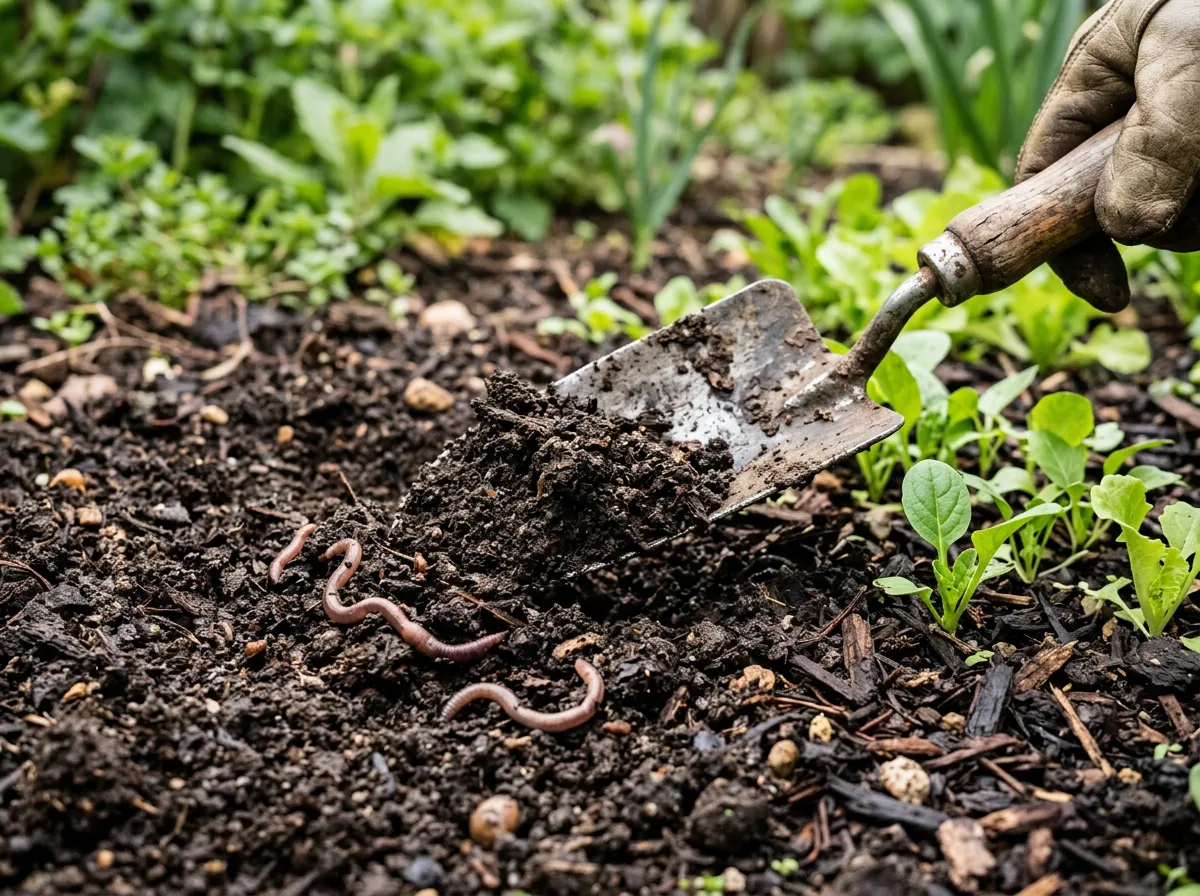
A productive terrace farm needs a light, fertile growing medium and a reliable feeding routine. Blend cocopeat for lightness, compost for nutrition, and a little soil for body, topped up with organic inputs each cycle.
Drip irrigation with a simple timer is a worthwhile investment in Pune's hot months, delivering steady moisture without daily hand watering and cutting water waste significantly.
Planning crops across the year
A terrace farm shines when you plan continuous harvests. Map your beds to Pune's three seasons and rotate crop families so soil stays balanced and pests find no permanent home.
- Rabi beds: tomatoes, cabbage, carrots, peas, greens
- Summer beds: gourds, okra, cucumber, amaranth
- Kharif beds: brinjal, chilli, beans under rain cover
- Keep one bed for continuous leafy greens and herbs
- Rotate families each season to preserve soil health
Maintaining your terrace farm
A rooftop farm needs a light daily rhythm: a quick check of moisture, pests, and support, plus harvesting what is ready. Weekly tasks include topping up mulch, feeding, and clearing drains.
Compost your crop residue on the terrace itself to close the loop, turning waste back into the soil. With this routine, a Pune terrace can produce fresh, organic food nearly all year.
Need help from a Pune gardening expert?
Get a free on-site consultation and quote from the Gardenist team.
Frequently Asked Questions
Related Gardenist Services
Ready to act on this? These services put it into practice across the Pune region.