Benefits of Miyawaki Urban Forest Development in Alandi
10x Faster Growth in Alandi
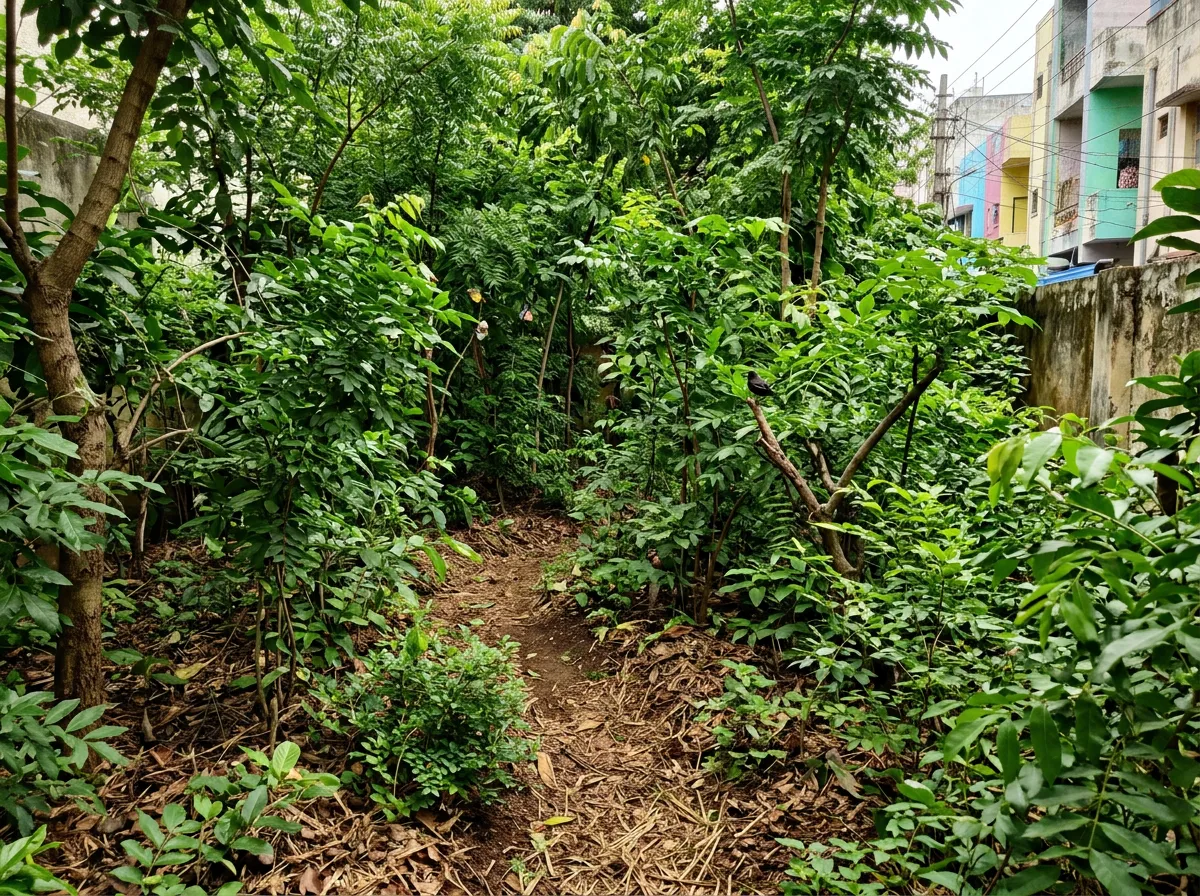
The Miyawaki method produces a dense, multi-layered forest in 2-3 years instead of decades specifically designed for Alandi's unique landscape and climate conditions.
Native Biodiversity
Only region-appropriate native species, creating habitat for birds, butterflies and pollinators.
Maximum Carbon & Cooling
Dense planting maximises carbon capture, dust filtration and local cooling in a small footprint.
Self-Sustaining
Once established, a Miyawaki forest is maintenance-free and needs no irrigation.
Why Choose Miyawaki Urban Forest Development in Alandi?
Alandi in Pimpri-Chinchwad is known for its pilgrimage trust land, dharamshalas, independent houses, housing societies properties, each with unique gardening requirements. Alandi is a revered pilgrimage town on the Indrayani river, centred on the samadhi temple of Sant Dnyaneshwar and a constant flow of warkari pilgrims and Vedic students. Its temple economy, dharamshalas and riverside ghats define daily life, while the outskirts see steady residential growth toward Moshi. It carries a calm, spiritual atmosphere rooted in centuries of tradition.
Our miyawaki urban forest development services in Alandi are customized to address the specific needs of this locality. Whether you have a compact balcony or a sprawling compound, our experienced team delivers results that transform your space.
With landmarks like Sant Dnyaneshwar Samadhi Temple and Indrayani River Ghat and Alandi Devachi nearby, Alandi residents deserve outdoor spaces that match the area's character. Gardenist has been serving Alandi for over 15 years, building a strong reputation for quality and reliability.
- Experienced miyawaki urban forest development professionals serving Alandi
- Customized solutions for pilgrimage trust land properties
- Free on-site consultation and assessment
- Competitive pricing with transparent quotes
- Post-service maintenance support available
How Miyawaki Urban Forest Development Works in Alandi
Site & Soil Study
We assess the plot, test the soil, and finalise the forest area and species palette.
Ground Preparation
Soil is amended with biomass and perforators to the required depth for dense rooting.
High-Density Planting
20-40 native species planted in multiple layers at Miyawaki density, then mulched.
2-3 Year Care
Intensive watering, weeding and monitoring until the forest becomes self-sustaining.
Local Growing Conditions & Seasonal Care in Alandi
Alandi shares Pimpri-Chinchwad's inland climate - hot, dry summers that often cross 40°C through April and May, an intense south-west monsoon from June to September, and cool, pleasant winters. Most gardens here sit on black-cotton or basalt-derived soil that holds moisture well but needs proper drainage to protect roots through the rains.
We plan miyawaki urban forest development in Alandi around this cycle. For the pilgrimage trust land and dharamshalas properties common here, that means heat-hardy, drought-tolerant planting and mulching for summer, drainage checks and pest-and-fungus vigilance through the monsoon, and using the cooler months for major planting, renovation and makeovers. Landscaping here serves temple gardens, ghat greenery and the courtyards of dharamshalas and Vedic schools, with flowering plants tied to worship in high demand. The Indrayani riverfront eases watering for the ornamental and shade planting around pilgrim areas.