The Miyawaki method promises dense, fast-growing native forests on small plots. This guide explains how it actually works, where it suits Pune organisations, and what results to realistically expect.
What a Miyawaki Urban Forest Actually Is
The Miyawaki method, developed by Japanese botanist Akira Miyawaki, creates dense, multi-layered native forests on small parcels of land. By planting many native species close together in richly prepared soil, the technique aims to mimic how a natural forest would regenerate, but much faster.
For Pune organisations with spare land, whether a factory buffer in Chakan, a society corner or an IT campus edge, a Miyawaki plot can convert an unused patch into a self-sustaining green pocket within a few years.
How the Method Works
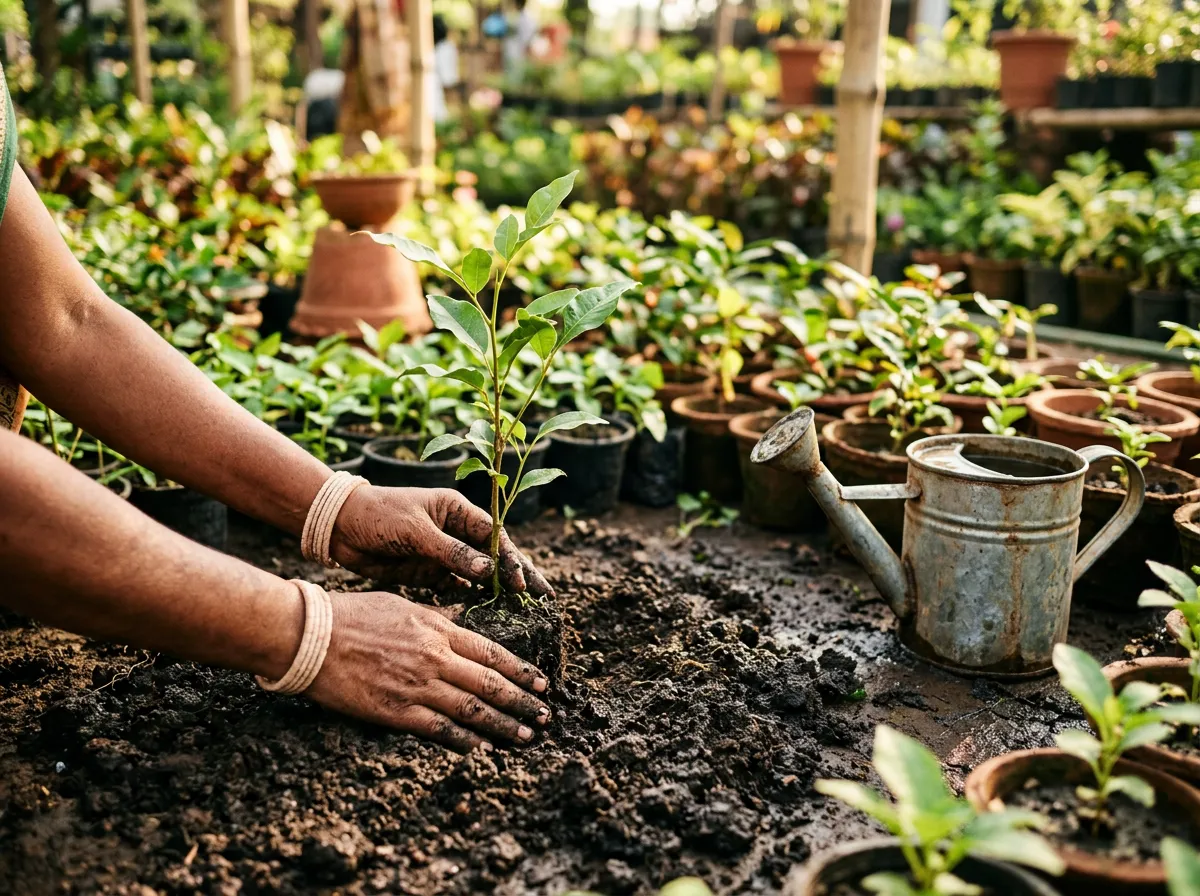
The approach rests on a few core principles: dense planting of only native species, deep soil preparation with organic amendments, and intensive care for the first two to three years until the forest becomes self-sustaining.
Because species are planted close together, they compete for sunlight and grow upward quickly, producing a layered canopy far faster than conventional avenue planting. After the establishment period, the plot largely maintains itself.
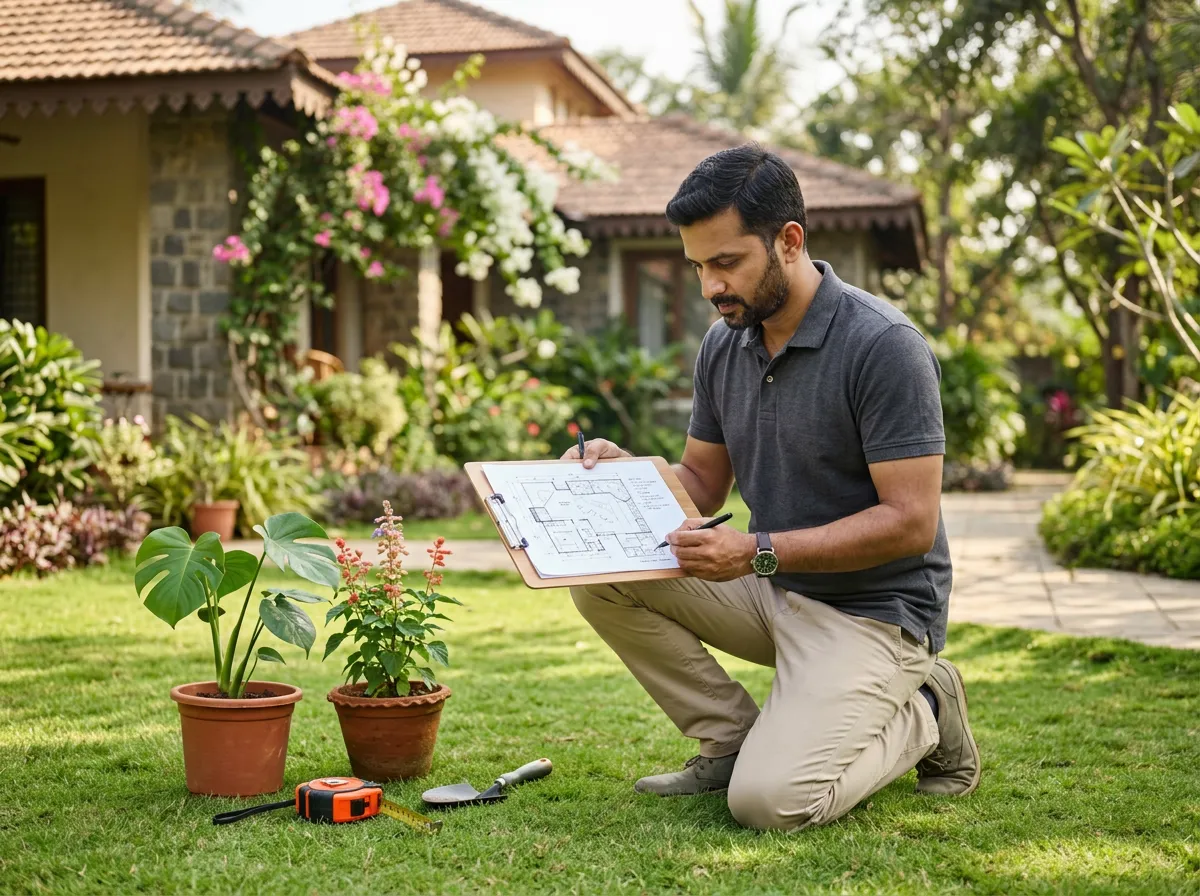
- Survey native species suited to the local ecology
- Prepare and amend soil deeply with organic matter
- Plant multiple native species at high density
- Mulch heavily to retain moisture and suppress weeds
- Water and weed intensively for two to three years
- Allow the forest to become self-sustaining thereafter
Where Miyawaki Suits Pune Organisations
Miyawaki plots work well where an organisation wants maximum green cover and biodiversity in a limited footprint. Factories can use them to strengthen green belts, societies to create shaded biodiversity corners, and corporates to support ESG and carbon narratives.
They are less suitable where you need open lawns, recreational space or manicured ornamental displays. A Miyawaki forest is a dense thicket, not a garden you walk through, so its placement should match its purpose.
- Factory green belts needing dense buffer planting
- Corporate campuses building biodiversity credentials
- Societies converting neglected corners to green pockets
- Institutional land earmarked for ecological restoration
Setting Realistic Expectations
Miyawaki forests are often described as growing many times faster than natural forests, and they do establish quickly compared with conventional planting. Even so, results depend heavily on honest soil preparation, genuine native species selection and disciplined early maintenance.
The biggest risk is treating it as a one-day plantation event and walking away. Without committed watering and weeding through the establishment years, survival rates fall and the promised dense forest never materialises.
Planning a Successful Miyawaki Project
A successful Miyawaki project in Pune is planned around long-term care, not just the planting day. Aligning it with a maintenance contract protects the investment through the vulnerable early years.
- Confirm the plot gets adequate sunlight and drainage
- Insist on genuinely native, locally suited species
- Budget for two to three years of intensive maintenance
- Arrange reliable irrigation, ideally from recycled water
- Track growth and survival to report ESG outcomes
Need help from a Pune gardening expert?
Get a free on-site consultation and quote from the Gardenist team.
Frequently Asked Questions
Related Gardenist Services
Ready to act on this? These services put it into practice across the Pune region.