Landscaping is not just decoration in a green building; it earns credits. This guide explains how thoughtful landscape design supports certification for Pune projects and what assessors look for.
Landscaping for Green Building Certification: Why It Counts
In green building rating systems used in India, such as IGBC and GRIHA, landscaping is far more than aesthetics. Thoughtful landscape design contributes to credits across water, site ecology and comfort, directly affecting the rating a Pune project can achieve.
Because these credits are documented and verified, landscaping needs to be planned with certification in mind from the design stage. Retrofitting green features late in a project is expensive and often falls short of what assessors require.
Site Ecology and Green Cover
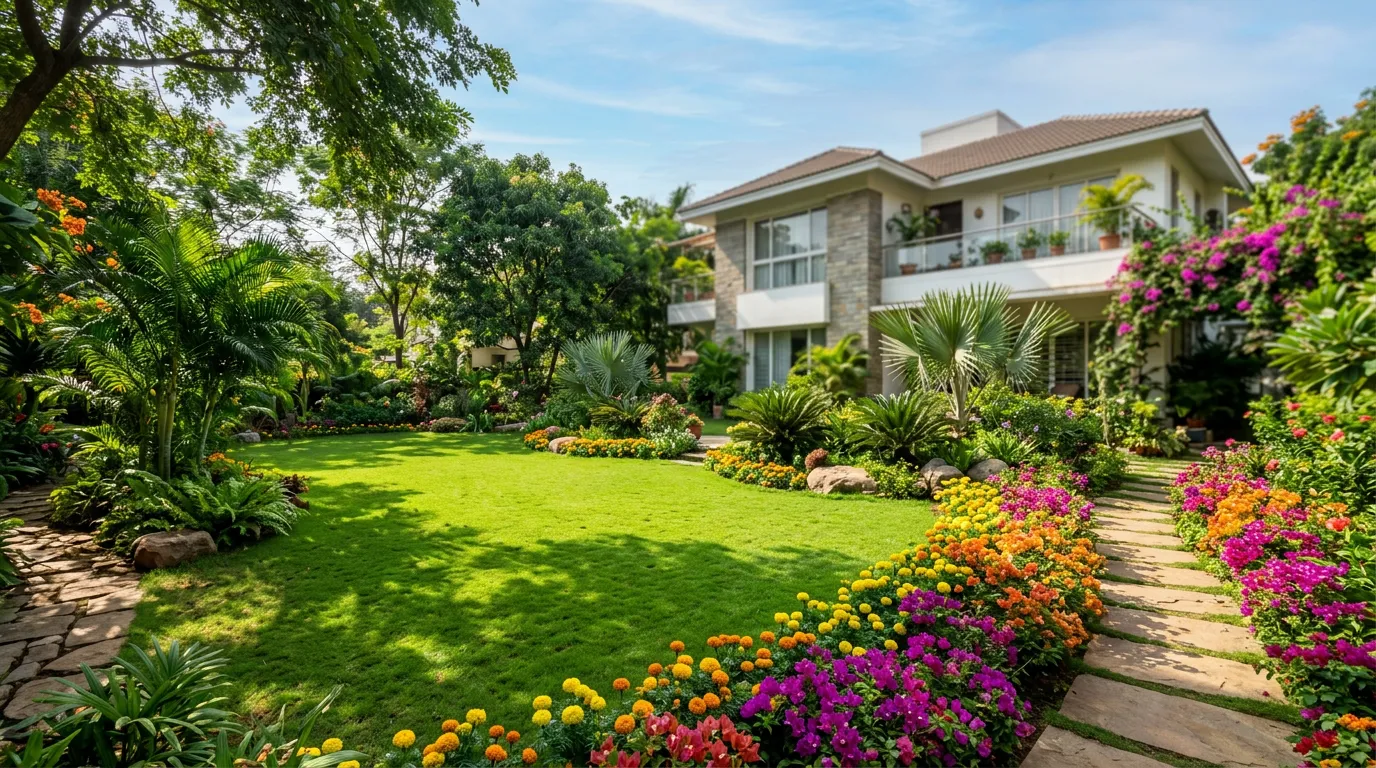
Rating systems reward projects that protect or enhance site ecology. Preserving existing mature trees, restoring native vegetation and providing generous green cover all contribute to credits and to a healthier development.
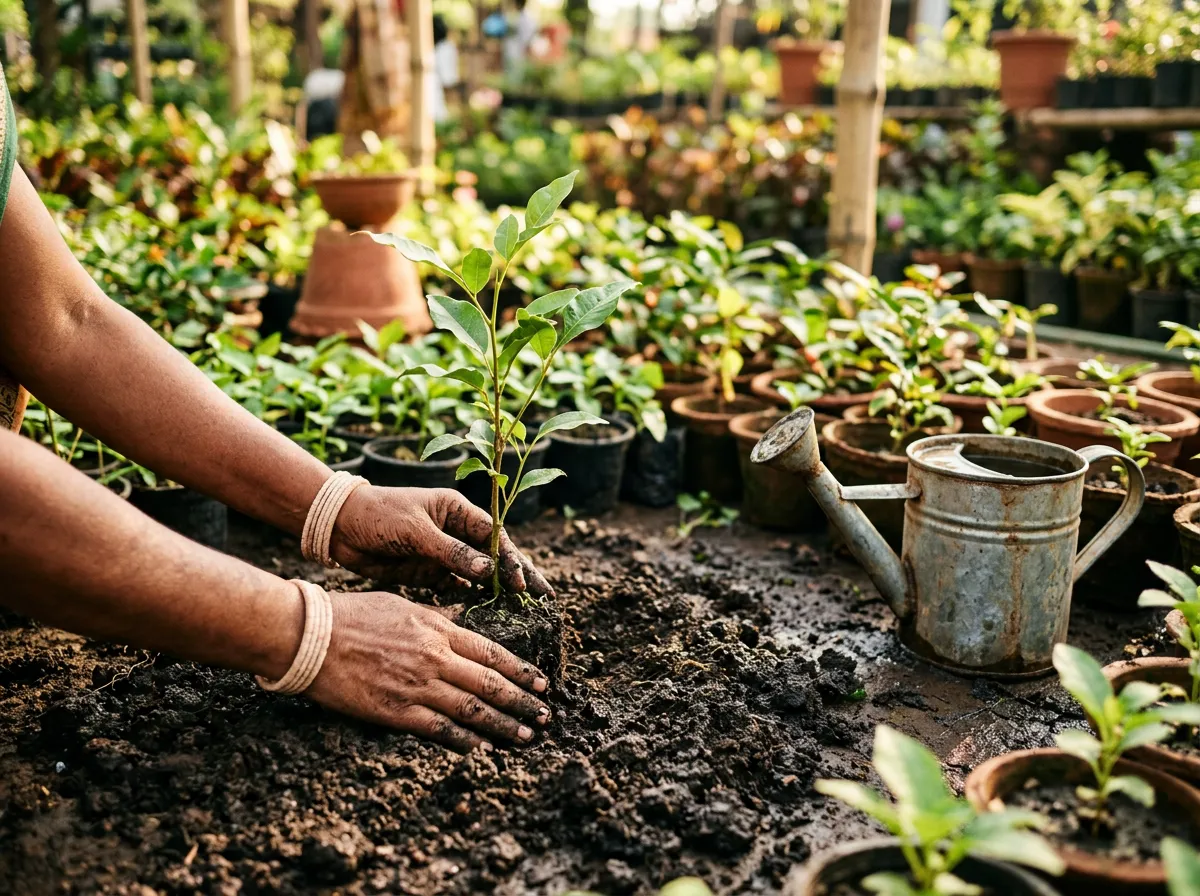
Native and adapted planting is favoured because it needs less water and supports local biodiversity. For Pune projects, choosing species suited to the local climate is both an ecological and a certification advantage.
- Preserve existing mature trees where possible
- Use native and adapted, low-water species
- Maximise vegetated open space and green cover
- Support biodiversity with layered planting
Water Efficiency in the Landscape
Water is central to every Indian green building rating, and landscape irrigation is a major water demand. Certification pushes projects to slash potable water use in landscaping through efficient design and alternative water sources.
Drip irrigation, rainwater harvesting and reuse of treated wastewater for irrigation are standard expectations. A landscape designed around low water demand earns credits and reduces long-term operating cost.
- Drip and micro-irrigation instead of flood watering
- Treated wastewater reuse for landscape irrigation
- Rainwater harvesting feeding garden water needs
- Low-water native species reducing overall demand
Heat Island Reduction and Comfort
Green building systems credit measures that reduce the urban heat island effect, and landscaping is one of the most effective tools available. Tree canopies, green roofs and shaded hardscapes lower surface and ambient temperatures around a building.
These features improve outdoor comfort, cut the cooling load, and make the case for landscaping both to assessors and to the finance team, since they reduce running costs alongside earning credits.
- Tree canopy shading over paved and parking areas
- Green roofs and vegetated terraces
- Light-coloured or permeable paving to cut heat
- Shaded pedestrian routes and gathering spaces
Documentation and Working With Assessors
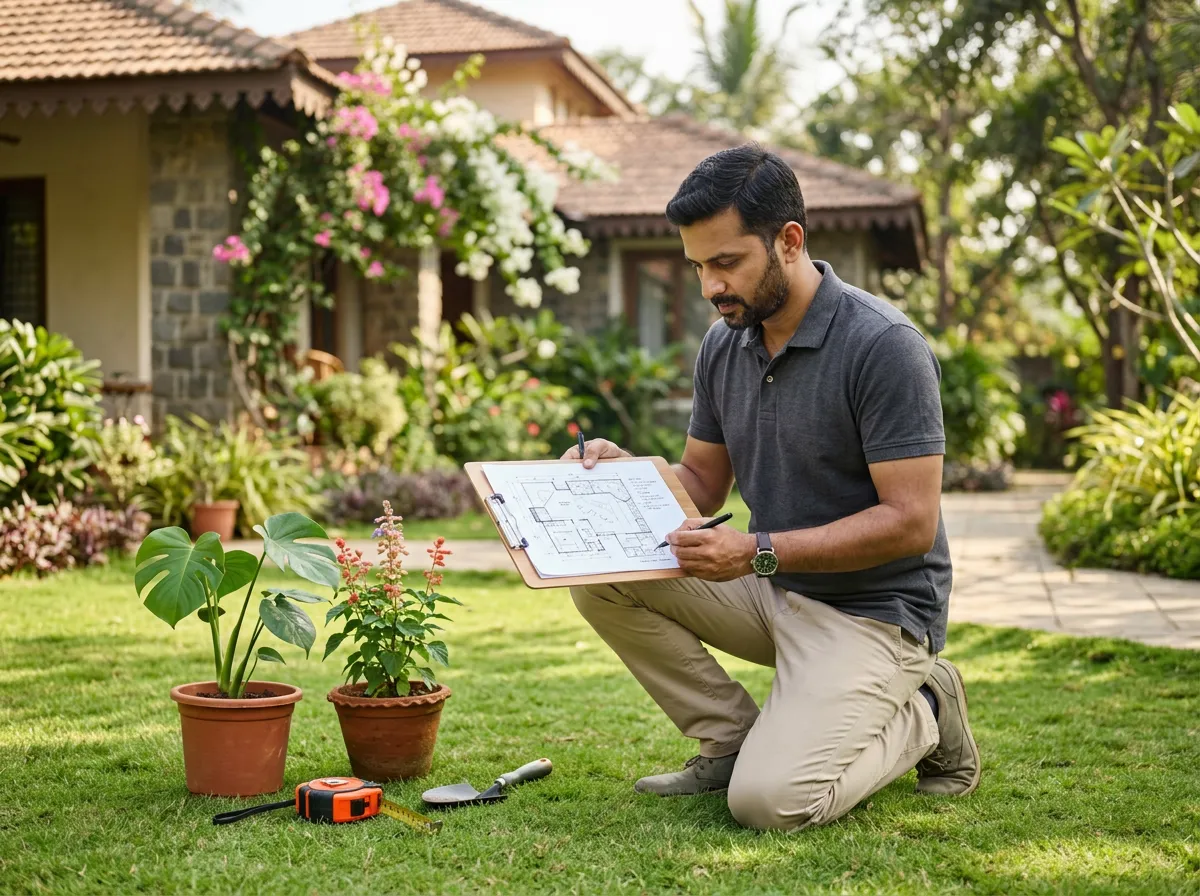
Green building credits are only awarded when they are properly documented. Landscape drawings, species lists, irrigation design, water calculations and photographs all form part of the evidence submitted for certification.
Involving a landscaping team familiar with the requirements early ensures the design targets specific credits and that the paperwork supports them, avoiding last-minute gaps that can cost a rating level.
Need help from a Pune gardening expert?
Get a free on-site consultation and quote from the Gardenist team.
Frequently Asked Questions
Related Gardenist Services
Ready to act on this? These services put it into practice across the Pune region.